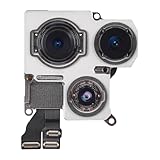
Why Does My iPhone Camera Keep Flashing? Stop the Annoyance!
Ugh. Nothing is more frustrating than trying to grab a quick photo and having your iPhone camera strobe like a rave. Why does my iPhone camera keep flashing? Seriously, it’s like my phone is possessed by a strobe light demon. Suddenly, you’re missing the shot entirely, which is a real pain when you’re trying to capture a fleeting moment.
I remember one time, I was trying to photograph a ridiculously cute squirrel in my backyard. The iPhone’s flash decided to become an impromptu disco. Instead of a charming picture, I got a series of blurry, overexposed flashes. It’s safe to say, the squirrel was long gone by the time my phone calmed down.
However, after some tinkering and endless Googling, I’ve managed to dial in the reasons for this annoying behavior and, more importantly, how to fix it. Here’s a deep dive into why this happens and what to do about it.
The Flash, Your iPhone, and the Mysteries of Light
First things first, let’s get the obvious out of the way: the flash is there to help. It’s designed to illuminate low-light situations, making your photos brighter. But when it starts flashing erratically, that’s a different story. The reason why your iPhone camera keeps flashing is often a combination of factors, ranging from software glitches to hardware issues, and even settings you didn’t realize were active.
Many people assume it’s simply a hardware malfunction, but in my experience, that’s rarely the case. More often, it’s a software hiccup or a setting that’s causing the problem. That said, it’s worth understanding the role of the iPhone camera’s flash, which uses a bright LED light to momentarily boost the available light. It’s essentially the same principle as a strobe light, but in a much more controlled and less annoying way, when it works properly.
The iPhone camera has several flash modes: Auto, On, and Off. The ‘Auto’ setting is the default and, in theory, the smartest. Your iPhone decides when to use the flash based on the ambient light. ‘On’ forces the flash to activate every time, and ‘Off’ disables it. The problem is, sometimes ‘Auto’ goes rogue and starts flashing when it shouldn’t, or it gets stuck ‘On’ when you want it off. These settings, along with other system functions, contribute to why does my iphone camera keep flashing.
Common Culprits: Software Glitches and Settings Gone Wild
Software is usually the sneaky culprit. It’s a digital gremlin that can trigger the flashing issue, and it can be maddening. Software glitches can occur in the camera app itself, or even in the iOS operating system.
For example, a corrupted file or an overloaded cache can cause all sorts of unexpected behaviors, including the flash misbehaving. Likewise, settings you might have adjusted without realizing the impact can also contribute. Maybe you inadvertently turned on a setting that forces the flash to fire, or perhaps your phone is confused about the ambient lighting conditions. Believe me, I’ve accidentally changed settings more times than I care to admit.
One time, I was playing around with the Accessibility settings on my iPhone and somehow managed to activate a feature that made the screen flash for every notification. I spent an hour trying to figure out why my phone was acting like a strobe light before I realized what I had done. That was a waste of time, to say the least.
Additionally, camera app updates often introduce new features, but sometimes they also introduce bugs. An update that was meant to improve the camera’s performance might inadvertently trigger the flashing issue. (See Also: Can I Switch Cameras While Recording Iphone Video )
The Troubleshooting Arsenal: Steps to Stop the Flashing
Now, let’s get to the good stuff: how to fix it. Fortunately, resolving this issue is often straightforward and doesn’t require a trip to the Apple Store. There are several troubleshooting steps you can take, ranging from simple resets to more in-depth solutions. These steps are designed to cover all the bases and get your camera back to normal.
- Restart Your iPhone: This is the digital equivalent of turning it off and on again. It clears temporary files and restarts the system, which can resolve minor software glitches. It’s a quick fix that often works.
- Check Your Flash Settings: Make sure you haven’t accidentally set the flash to ‘On’. Open the Camera app, and look for the flash icon (usually a lightning bolt). Tap it to cycle through the options: Auto, On, and Off.
- Close and Reopen the Camera App: If the flash is still acting up, force-close the Camera app and reopen it. This can clear any temporary bugs within the app.
- Update iOS: Ensure your iPhone is running the latest version of iOS. Apple regularly releases updates that fix bugs and improve performance. Head to Settings > General > Software Update to check.
- Reset All Settings: This resets all your iPhone settings to their default values, but it won’t delete your data. Go to Settings > General > Transfer or Reset iPhone > Reset > Reset All Settings.
- Check for Physical Obstructions: Make sure nothing is blocking the camera lens or flash. A case or screen protector could be interfering.
- Factory Reset (Last Resort): As a last resort, you can factory reset your iPhone. This will erase all data, so back up your phone first. Go to Settings > General > Transfer or Reset iPhone > Erase All Content and Settings.
Deep Dive: The Auto Mode Conundrum
The ‘Auto’ flash mode is designed to be intelligent. It uses the ambient light sensor to determine whether to use the flash. However, in some situations, it can be overly sensitive or simply misjudge the lighting conditions. This is where the flashing issue often stems from.
The iPhone uses a combination of factors to evaluate the scene: the amount of light, the subject’s distance, and even the colors in the frame. If the camera detects low light, it will typically trigger the flash. But it’s not always accurate. For example, if you’re taking a photo in a dimly lit room with a lot of light coming from a window, the camera might think it needs the flash, even if it doesn’t.
My contrarian opinion: I think the ‘Auto’ mode is often more trouble than it’s worth. While it’s convenient, it’s not always reliable. I personally prefer to manually control the flash, particularly in tricky lighting situations. That way, you’re in control.
One unexpected comparison: think of the Auto flash mode like the self-adjusting headlights on a car. They’re designed to make driving easier, but sometimes they’re too sensitive and constantly switch between high and low beams, causing a distracting strobe effect. That’s essentially what happens with the iPhone’s Auto flash.
Beyond the Basics: Advanced Troubleshooting
If the basic troubleshooting steps don’t resolve the issue, it’s time to dig deeper. There are a few advanced techniques that may help diagnose and fix the flashing problem.
First, test your camera in different lighting conditions. Try taking photos both indoors and outdoors, in bright light and low light. This can help you determine if the problem is specific to a certain environment or if it happens regardless of the lighting.
Second, check for any third-party apps that might be interfering with the camera. Some apps, especially those that use the camera, can occasionally cause conflicts. Try temporarily uninstalling any recently installed camera-related apps to see if the problem goes away.
Third, examine your iPhone’s storage. If your iPhone is running low on storage space, it can sometimes cause performance issues, including problems with the camera. Make sure you have enough free space to ensure optimal performance. I’ve seen it firsthand: when I had less than 1 GB of storage left, my camera would frequently freeze or act glitchy. (See Also: How Do I Get Iphone Photos On My Mac )
Hardware vs. Software: When to Seek Professional Help
In most cases, the flashing issue is software-related. However, it’s possible that a hardware problem could be the cause. If you’ve tried all the troubleshooting steps and the problem persists, it may be time to consider the possibility of a hardware issue.
Hardware problems can range from a faulty flash module to a damaged camera lens or even a problem with the logic board. The only way to know for sure is to have your iPhone examined by a professional. Apple provides a number of repair options, which depend on whether the iPhone is still under warranty or if you have AppleCare.
If your iPhone is still under warranty, the repair should be free. If not, you will likely need to pay for the repair. The cost can vary depending on the specific issue and the model of your iPhone. According to a test by Consumer Reports, Apple’s repair services are generally reliable, but it’s always a good idea to back up your data before sending in your phone for repair.
In the event that you need to take your phone in for repair, make sure to describe the issue in detail. The more information you can provide, the easier it will be for the technicians to diagnose the problem.
The Strobe Effect: Understanding the Flash and Its Quirks
The iPhone’s flash, like any light source, has its quirks. It uses a high-intensity LED to provide a burst of light. This light is what allows you to capture images in low light conditions. The color temperature of the flash is also designed to simulate natural light.
However, the flash can sometimes be too powerful, especially when you’re close to a subject. This can result in overexposed photos, washed-out colors, and harsh shadows. It’s especially true when taking pictures of people.
The iPhone also has a feature called ‘Night mode’. This mode uses a longer exposure time to capture more light in low-light situations. It’s a great feature, but if you’re not careful, it can result in blurry photos if you or the subject moves during the exposure. You might also notice that the flash doesn’t always fire when Night mode is active. This is because the camera is trying to capture as much ambient light as possible.
One of the most frustrating things about the flash is the red-eye effect. This occurs when the flash reflects off the subject’s retina. It can make people look like they have demonic eyes. Thankfully, the iPhone has a built-in red-eye reduction feature that can help minimize this effect. It works by firing a pre-flash to constrict the pupils before the main flash fires.
The Bright Side: A Comparison of Flash Modes
To better understand how to fix the flashing, let’s compare the different flash modes. (See Also: What Kind Of Files Are Iphone Videos )
| Flash Mode | Description | Pros | Cons | Verdict |
|---|---|---|---|---|
| Auto | The iPhone automatically decides when to use the flash. | Convenient, adapts to lighting conditions. | Can be unpredictable, may trigger the flash unnecessarily. | Use with caution; sometimes overrides user preferences. |
| On | The flash is always on when you take a photo. | Guaranteed illumination in low light. | Can result in overexposed photos, may cause red-eye. | Best for situations where you absolutely need the flash. |
| Off | The flash is always off. | No flash, avoids harsh lighting. | Photos may be dark in low-light conditions. | Use when natural light is sufficient. |
Frequently Asked Questions About the iPhone Camera Flash
Why Does My iPhone Camera Keep Flashing?
The iPhone camera can flash for a number of reasons, including software glitches, incorrect settings, or hardware issues. Begin by restarting your iPhone and checking the flash settings. If the problem persists, try updating the iOS or resetting all settings. In rare instances, there may be a hardware issue that requires professional repair.
How Do I Turn Off the Flash on My iPhone?
Open the Camera app and tap the flash icon (a lightning bolt) in the top-left corner of the screen. Tap the icon repeatedly to cycle through the flash modes until you see ‘Off’. The flash will now be disabled until you change the setting again. This is typically the easiest way to solve ‘why does my iphone camera keep flashing’.
What Causes the Red-Eye Effect in iPhone Photos?
The red-eye effect occurs when the flash reflects off the subject’s retina. It’s more common in photos taken in low-light conditions. The iPhone has a red-eye reduction feature that can help minimize this effect by firing a pre-flash to constrict the pupils before the main flash fires.
Can a Software Update Cause My iPhone Camera to Flash?
Yes, sometimes software updates can cause unexpected issues, including the camera flash misbehaving. This is because updates can introduce bugs or conflicts with existing settings. If you suspect a software update is the cause, try reverting to the previous version or resetting your iPhone.
My Flash Is Not Working at All. What Should I Do?
If your flash isn’t working at all, first check the flash settings to ensure that it’s not set to ‘Off’. If the setting is correct and the flash still isn’t working, try restarting your iPhone. If that doesn’t work, there may be a hardware issue with the flash module that may need to be addressed by a repair service.
Conclusion
So, the next time your iPhone camera decides to put on a light show, don’t panic. With a few simple troubleshooting steps, you can usually get things back to normal. Remember to check your flash settings, restart your phone, and update your iOS. If all else fails, consider seeking professional help.
It’s always a good idea to be mindful of your iPhone’s settings and to experiment with the different flash modes. Now you know the answer to the question: why does my iphone camera keep flashing. This simple understanding can save you from a lot of frustration. Knowing how to troubleshoot common issues can save you time and money.
Go forth and take pictures without the disco effect!
Recommended Products
Recommended For You


![Crayola Twistables Colored Pencil Set (50ct), Cool Back to School Supplies for Kids, No Sharpen Colored Pencils for Girls & Boys, 4+ [Amazon Exclusive]](https://m.media-amazon.com/images/I/51rGfVjC03L.jpg)
![[Dual-Lens] Endoscope Camera with Light, 1920P HD Borescope with 8+1 Adjustable LED Lights, IP67 Waterproof 16.5FT Semi-Rigid Snake Cord Inspection Camera for iPhone, iPad and Android Phone (Type C)](https://m.media-amazon.com/images/I/41avH-scJML._SL160_.jpg)