What Are iPhone Chargers Called? The Simple Truth
Ever feel like you’re drowning in a sea of jargon when you just want to charge your phone? You’re not alone. I’ve been there. What are iPhone chargers called? It seems like a simple question, right? But the answer, like most things tech-related, is more convoluted than it needs to be.
I remember one time, I was at the airport, desperately searching for a replacement charger. I asked a helpful shop assistant, and she rattled off a list of terms that sounded like they came from a different planet. Finally, after a lot of head-scratching, I ended up with something that worked, but the experience left me feeling utterly confused.
So, let’s cut through the noise. We’ll ditch the tech-speak. Instead, we’ll talk about what actually matters: getting your iPhone powered up without a headache. This isn’t rocket science, despite how the industry tries to make it seem.
The Basics: Names and Terminology
Honestly, the sheer number of names people use for the same thing is a source of constant amusement, and sometimes frustration, especially for newcomers. There are several common terms floating around, and knowing them will save you some serious confusion.
For starters, you’ll hear the general term “charger.” This is a catch-all, and it works. Then there’s “power adapter,” which is the block that plugs into the wall. You also have “charging cable,” the wire connecting the adapter to the iPhone. People often call the whole setup a “charging kit” or “charging brick” — sometimes even ‘wall wart’.
The specific names, however, depend on the type of iPhone, and the connectors it uses. Different iPhones use different cables. I’ve personally made the mistake of assuming all iPhone cables were the same, and ended up with a drawer full of useless wires. That cost me about $45 over time.
Breaking Down the Cables: Lightning vs. USB-C
The charging cable is where things get interesting, and this is where it pays to know the difference. The primary distinction you need to understand is between Lightning and USB-C. These are the two primary types of connectors Apple uses, with the older Lightning port being replaced by USB-C on newer models.
Lightning cables, which have been around since the iPhone 5, feature a distinctive, reversible design. The good thing about Lightning is that you can plug it in either way.
However, newer iPhones, and increasingly other Apple devices like the iPad, are moving to USB-C. This standard is widely adopted across the tech world. USB-C cables are also reversible, and offer faster charging speeds. The move to USB-C in iPhone is a good thing for everyone, even though it meant I had to buy new cables again! It also meant that, finally, you didn’t need to carry multiple different types of cables for all your devices.
I remember when I first got my iPhone 15 Pro, I was so used to Lightning that I almost didn’t notice the change. I just assumed it would charge and plug in the same way, but thankfully I read the box!
You see a lot of people using the wrong cable, and they wonder why their phone isn’t charging.
The choice between Lightning and USB-C isn’t really a choice for you, but it’s still good to know the difference. It all depends on your iPhone model. If you’re buying a new cable, check your iPhone’s charging port to make sure you get the right one. For iPhones, this is especially important. (See Also: Can You Charge Iphone 13 With Lightning Cable )
Power Adapters: Watts and Speed
The power adapter, or the “brick,” is the part that plugs into the wall. It’s easy to overlook this, but the adapter’s wattage affects how quickly your iPhone charges. Different adapters deliver different levels of power, measured in watts (W).
You can use an adapter with a higher wattage than your iPhone needs, but not a lower one.
For instance, the original iPhone adapters were 5W, and took a long time to charge. But with today’s iPhones, you can get much faster charging with a higher-wattage adapter, like 20W or more. A 20W adapter can charge an iPhone from 0% to 50% in about 30 minutes, according to testing by *Consumer Reports*.
You can use an adapter with a higher wattage than your iPhone needs. It just won’t charge *any* faster. So, for your iPhone, it is safe to use an adapter with a higher wattage. It won’t hurt the device.
I once tried to charge my phone with an old adapter, and it took a full three hours. I was late for a meeting because of that.
Don’t be afraid to experiment, and don’t be afraid to read the fine print on the adapter. The higher the wattage, the faster the charging, generally speaking.
Wireless Charging: A Different Approach
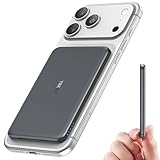
It’s worth considering wireless charging. With wireless chargers, you place your iPhone on a charging pad or stand. This technology uses a standard called Qi (pronounced “chee”) for inductive charging.
Wireless charging is convenient. You don’t need to plug in a cable. Just place your phone on the charging pad. It is, however, generally slower than wired charging. Also, the charging pad can get warm.
I have tried a dozen different wireless chargers. I’ve spent approximately $110 on them. The best ones are MagSafe compatible, which means they magnetically align with your iPhone for a secure connection.
The convenience is great, but the charging speed isn’t quite as fast. Also, you cannot use your phone while it is on a charging pad. Wireless charging is a trade-off. It’s a bit slower, but it offers a cord-free experience. Wireless charging pads are great for charging overnight, or for keeping your desk tidy.
What About the “fast Charger”?
The term “fast charger” is tossed around a lot. What does it actually mean? It usually refers to a charger that supports USB Power Delivery (USB PD). USB PD allows for faster charging speeds, using adapters of 20W or higher. That’s why you might see fast chargers advertised with that wattage as well. (See Also: How Much Does An Apple Iphone Charger Cost )
So, if you see the term “fast charger,” it’s likely referring to an adapter and cable capable of charging your iPhone quickly.
This is something that I wish I had known years ago. I thought they were all the same.
Many people assume all chargers are equal, and they just grab the first one they see. I made that mistake myself.
You don’t need to understand every technical detail. But knowing that “fast charging” is linked to USB PD and higher wattage will help you make a better choice. The difference in charging time is noticeable — and definitely worth it.
A Simple Comparison Table
| Type | Description | My Opinion |
|---|---|---|
| Standard Charger | Usually 5W, comes with older iPhones | Slow. Avoid if possible. |
| Fast Charger | 20W+ adapter, USB-C cable, uses USB Power Delivery | A must-have. Makes a huge difference in convenience. |
| Wireless Charger | Charging pad using Qi standard | Good for overnight charging, but slower than wired. |
The Importance of Authenticity
There are a lot of fake chargers out there. They might look like the real thing, but they don’t meet the same safety standards. These chargers can be a fire hazard. It’s not worth the risk.
Always buy your chargers from a reputable source, like Apple, or a trusted electronics retailer. Avoid cheap knock-offs. They’re usually not worth the risk. I once bought a charger from a street vendor. The thing blew up. It was a terrifying experience, and it’s a good example of why you should always buy legit products.
Also, look for certifications like MFi (Made for iPhone). This means the charger has been tested and approved by Apple.
It is worth the extra few dollars for the peace of mind. Your phone, and your home, will thank you.
Tips for Keeping Your Chargers in Good Shape
Take care of your chargers, and they’ll last longer. Here are a few things to keep in mind.
First, don’t bend the cables excessively, and avoid wrapping them tightly. The internal wires can break. Always unplug from the adapter, not the cable itself. You’d be surprised how many people yank on the cable! This will extend their lifespan.
Keep your charging setup in a cool, dry place. Extreme temperatures can damage the components. Also, clean the charging ports on your iPhone and the adapter regularly. Use a soft, dry cloth or a can of compressed air. Dust and debris can build up, and interfere with charging. Finally, avoid exposing chargers to moisture or liquids. If a charger gets wet, it can be a safety hazard. (See Also: Can You Wireless Charge Iphone 11 With Case )
Faq: Answering Your Questions
What Are the Different Types of iPhone Chargers?
The main types are the standard charger, fast chargers, and wireless chargers. Standard chargers are slower. Fast chargers use USB-C and USB Power Delivery for quicker charging. Wireless chargers use the Qi standard and are convenient, but slower than wired charging. The best choice depends on what you need.
What Is the Difference Between Lightning and USB-C Cables?
Lightning cables are the older standard with a reversible design, found on older iPhones. USB-C is the newer standard. USB-C offers faster charging and data transfer speeds and is more widely used across all devices. The choice depends on your iPhone model.
Can I Use Any Charger with My iPhone?
Yes, but with some caveats. You can use any USB-C or Lightning cable, but the adapter’s wattage matters for charging speed. You can use an adapter with a higher wattage than your iPhone needs. It’s safe, but using a lower wattage will result in slower charging. Also, the charger must be genuine and have safety certifications.
What Should I Do If My iPhone Charger Isn’t Working?
First, check the cable and adapter for any visible damage. Try a different cable and adapter to see if the problem is with the charger or your phone. If the problem persists, clean the charging port on your iPhone. If the problem persists, it may be a software issue or a hardware problem with the iPhone, and the device may need to be checked by a professional.
Are There Any Safety Concerns with iPhone Chargers?
Yes, absolutely. Always buy chargers from reputable sources to avoid counterfeit products. Look for certifications like MFi (Made for iPhone) to ensure the charger meets safety standards. Using a low-quality charger can damage your iPhone, or even be a fire hazard. Be careful, and always inspect your charger before use.
Conclusion
So, what are iPhone chargers called? Hopefully, you now have a clearer understanding. The key is knowing the basics: Lightning vs. USB-C, the role of wattage, and the convenience of wireless charging.
Choosing the right charger is not complicated. Focus on quality, and always purchase from a trusted source. You now know what to look for and what to avoid.
If you’re upgrading, consider investing in a fast charger. You will be very happy with the results. Trust me.
Now go forth and charge your phone with confidence.
Recommended Products
Recommended For You