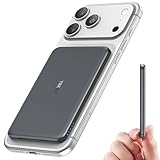
Why Is My iPhone Not Charging Wirelessly? Troubleshooting
Ugh. The worst. You reach for your iPhone, expecting a full battery, and… nothing. The little charging icon isn’t there. You fiddle with the charger, move the phone, and still, it stubbornly refuses to cooperate. Frustration mounts, right?
This has happened to me more times than I care to admit. I remember one particularly annoying morning when I was already running late for a meeting, only to discover my iPhone had somehow detached from the wireless charger overnight. The result? A dead phone, a missed deadline, and a grumpy client. It’s a humbling experience.
Why is my iPhone not charging wirelessly? This is a question many of us have pondered. Sometimes the solution is obvious. Other times, it’s a frustrating scavenger hunt through settings and hardware.
We’ve all been there.
The Wireless Charging Myth: What You Might Be Doing Wrong
Let’s be honest: wireless charging sounds futuristic and convenient. Pop your phone down, and *poof*, battery magic. But the reality is often less glamorous. It’s not always a seamless, set-it-and-forget-it experience. I initially thought it was the most amazing thing, but I quickly learned the hard way that it can be incredibly finicky.
For example, you might be placing your phone on the charger, but not quite in the right spot. Wireless charging relies on precise alignment. A few millimeters off, and you’re out of luck. Also, the charger itself might be the issue; I spent around $100 on a charging pad that promised the world and delivered next to nothing. The cheap plastic felt flimsy, and the phone constantly slipped off. It was a complete waste of money.
Furthermore, the case on your phone can interfere. A thick case, especially one with metal in it, acts like a shield, preventing the energy transfer. A case that is only slightly off-center is enough to stop charging. I’ve found that even a thin case can sometimes cause problems. Consider removing the case entirely to see if that resolves the issue.
Is It the Charger Itself? Common Wireless Charging Problems
First things first: is the charger working at all? Sometimes the simplest explanation is the correct one. Inspect the charger for any visible damage. Is the power adapter plugged in securely? Is the cable connected properly to both the charger and the power source? A loose connection is a frequent culprit, especially if the charger is in a high-traffic area, like a nightstand or desk.
Then there’s the charger itself. Not all chargers are created equal. Some are designed to work with specific phone models or have limitations on the amount of power they can deliver. An older charger might not be able to provide enough juice for a newer iPhone. This can lead to slow charging or no charging at all. Many of the cheaper models are not MFi certified, which means they are not as compatible with Apple devices.
It’s also possible the charger has overheated. Wireless charging generates heat, and excessive heat can damage the charger or cause it to shut down temporarily. You might notice the charger feeling unusually warm to the touch. Let it cool down, and try again later. (See Also: Can You Charge Iphone 13 With Old Charger )
The solution? First, try a different charger. Borrow one from a friend or family member, or test it with another device that supports wireless charging. If a different charger works, you’ve pinpointed the problem. If not, the issue lies elsewhere.
A Deep Dive Into Your Iphone’s Settings: Software Glitches
Okay, let’s look at your iPhone. A software glitch can sometimes be the root of the problem. Start by restarting your iPhone. It’s the classic troubleshooting step for a reason. Often, a simple restart clears out temporary files and resolves minor software hiccups. This has worked for me more times than I can count.
Next, check your software. Make sure your iPhone is running the latest version of iOS. Apple releases updates regularly to fix bugs and improve performance. Outdated software can sometimes interfere with wireless charging. Go to Settings > General > Software Update to check for updates. Honestly, this is one of the first things I check now.
Then, consider the ‘Optimized Battery Charging’ feature. This feature learns your charging habits and slows down the charging process to extend the lifespan of your battery. While this is great for battery health, it can sometimes cause confusion if you’re expecting a quick charge. You can find this setting under Settings > Battery > Battery Health & Charging.
Finally, there’s a lesser-known setting that can impact charging. In Settings > Battery, there is a setting called ‘Low Power Mode’. When this is enabled, it limits background activity to save battery. Sometimes, this can also affect the wireless charging. Turn this off to see if this helps.
After my fourth attempt to fix the problem, I reset all of my settings to default. It worked! It’s a bit of a pain to set everything up again, but it cleared out whatever was causing the problem.
The Fine Print: External Factors That Can Impact Charging
Sometimes, the issue isn’t your charger, your phone, or the software. External factors can also play a role. The ambient temperature is one of them. iPhones, like most electronics, have an ideal operating temperature range. Extreme heat or cold can affect the battery’s ability to charge. Avoid leaving your iPhone in direct sunlight, or in a freezing car. According to the Apple Support website, the ideal ambient temperature is between 62° to 72° F (16° to 22° C).
Also, the power source matters. Are you using a wall outlet, a USB port on your computer, or a car charger? USB ports on computers often provide less power than a wall outlet, which means they can charge your iPhone much more slowly. A car charger’s performance can vary depending on the car’s electrical system.
Finally, consider interference. Wireless charging uses electromagnetic fields. Other devices emitting similar frequencies can sometimes interfere with the charging process. If you have any other wireless devices, such as Bluetooth speakers, near your charger, try moving them away and see if that makes a difference. One time, my old Bluetooth speaker was right next to the charger, and it completely blocked the wireless charging. (See Also: Can You Replace Your Iphone Battery )
The scent of a burning fuse, for example, is not something you want to experience in the middle of the night.
Wireless Charging Standards: What You Need to Know
The primary standard for wireless charging is Qi (pronounced “chee”). This standard is used by Apple and most other smartphone manufacturers. Qi chargers come in various forms, including charging pads and stands. The Qi standard ensures that your iPhone and a compatible charger should work together. There are two main power profiles for Qi charging: 5W and 7.5W. The iPhone supports 7.5W wireless charging.
Make sure your charger is Qi-certified. This means it has been tested and meets the requirements of the Qi standard. The Qi logo on the charger is your assurance of compatibility and safety. If you are shopping online, look for the Qi certification. You can also visit the Wireless Power Consortium (WPC) website, the organization that oversees the Qi standard, to find a list of certified chargers. The WPC publishes a list of products that have been tested and approved.
Charging speed also varies. While 7.5W is the standard for iPhones, some chargers support faster speeds for other devices. Faster charging speeds require a compatible charger and a phone that supports those speeds. Most wireless chargers won’t charge as fast as a cable, but it’s the convenience that you’re after.
The design of the charger affects the charging experience. Some chargers have a flat surface, while others have a stand. Stands can be convenient for viewing your phone while it’s charging, but they take up more space. A flat pad is great if you want a minimalist setup. The best one really depends on your needs.
Troubleshooting Checklist: A Step-by-Step Guide
Here’s a step-by-step checklist to troubleshoot your iPhone’s wireless charging issues. Follow these steps methodically, and you’ll increase your chances of finding the culprit.
- Check the basics: Is the charger plugged in? Is the cable connected securely? Is there any visible damage to the charger or cable?
- Inspect the phone case: Remove the case. Does your iPhone now charge wirelessly?
- Try a different charger: Test your iPhone with a different wireless charger known to work. If it charges, the problem is your original charger.
- Restart your iPhone: A simple restart can fix many software glitches.
- Update iOS: Ensure your iPhone is running the latest version of iOS.
- Check the temperature: Is your iPhone too hot or too cold? Move it to a more moderate environment.
- Inspect the charging surface: Make sure the phone is correctly aligned on the charging pad.
- Reset settings: If nothing else works, try resetting your iPhone settings to default.
I find this is similar to fixing a car. Start with the simplest solution and work your way up to the more complex. Sometimes, the problem is incredibly obvious.
Wireless Charging vs. Wired Charging: A Quick Comparison
Which is better? It depends on your needs. Here’s a quick comparison:
| Feature | Wireless Charging | Wired Charging | My Verdict |
|---|---|---|---|
| Convenience | High (easy to place phone down) | Low (requires plugging in) | Wireless wins for convenience. |
| Charging Speed | Slower (typically 7.5W for iPhones) | Faster (USB-C can go up to 20W+) | Wired is faster, especially with fast charging. |
| Portability | Good (can be used anywhere you have a Qi charger) | Good (requires a cable and power source) | Both are portable, but wired needs a cable. |
| Price | Chargers can vary widely in price | Charging cables are inexpensive | Wireless chargers can be more expensive. |
As you can see, wireless charging excels in convenience, but it often lags in speed. Wired charging offers faster speeds and is a more established technology. It is important to know that both are very useful. (See Also: How Long Is Iphone Battery Life )
Faq: Answering Your Wireless Charging Questions
Why Is My iPhone Not Charging Wirelessly?
Several factors could be at play. The most common issues include misaligned phones on the charger, a faulty charger or cable, an incompatible case, software glitches, or environmental factors like extreme temperatures. Start by checking the basics: is the charger plugged in and working, is the phone aligned correctly, and is the case compatible? Then, try restarting your iPhone and checking for software updates. Sometimes, the simplest solution works!
How Do I Know If My iPhone Is Charging Wirelessly?
When charging wirelessly, you should see a lightning bolt icon in the battery indicator on the top-right corner of your screen. You may also see an indicator on your lock screen. The charging animation will appear when you first place the phone on the charger. Keep in mind that depending on your settings, the screen may turn off to conserve battery. Also, some wireless chargers have LED lights that indicate charging status.
Can I Use Any Wireless Charger with My iPhone?
Yes, but with a few caveats. Your iPhone is compatible with Qi-certified wireless chargers. These chargers meet the industry standard and should work safely and effectively with your iPhone. However, the charging speed may vary depending on the charger. Make sure the charger supports the correct wattage and is compatible with your iPhone model. Always opt for a reputable brand or a charger with positive reviews.
Does Wireless Charging Damage the iPhone Battery?
No, wireless charging itself does not damage the iPhone battery. However, the heat generated during charging can affect the battery’s lifespan. Avoid charging your iPhone in extremely hot environments. Apple has implemented safety measures to prevent overheating and protect the battery. The “Optimized Battery Charging” feature in iOS helps to optimize charging habits and extend the battery’s life. But, keep an eye on the temperature.
Is Wireless Charging Slower Than Wired Charging?
Generally, yes. Wireless charging is typically slower than wired charging. iPhones support a maximum of 7.5W wireless charging, while wired charging can reach higher speeds. The actual charging time will depend on various factors, including the charger’s power output, the iPhone model, and the ambient temperature. It’s often worth it for the convenience, though!
Final Verdict
So, there you have it. Troubleshooting your iPhone’s wireless charging woes can be a bit of a process, but hopefully, these steps will help you get back to a fully charged phone. Remember to start with the simple checks: the charger, the cable, the phone’s alignment. Then, move on to the more in-depth solutions like software updates and settings adjustments.
You can also try a factory reset, but that should be your last resort. I’ve been there. It’s a pain to set everything back up.
Why is my iPhone not charging wirelessly? It’s a common problem, and the answer is usually within reach. Armed with these tips, you should be able to diagnose and fix the issue. Now, go forth and charge wirelessly!
If you’re still having issues, consider visiting an Apple Store or contacting Apple Support. They can provide more specific guidance and help you with any hardware-related problems.
Recommended Products
Recommended For You