Does My Wi-Fi Adapter Support Monitor Mode?
Spent nearly $150 on what I thought was *the* adapter for packet sniffing, only to find out later it was basically a brick for that specific task. Felt like I’d bought a sports car with no engine.
Look, if you’re trying to figure out if your WiFi adapter can actually do what you need it to do – specifically, if it supports monitor mode – you’re probably not looking for a sales pitch.
You want the straight dope. Does my WiFi adapter support monitor mode? Yeah, this is the question that keeps people up at night when they’re trying to learn about wireless security or just want to see what’s floating around their network.
Is My Wi-Fi Card Even Capable?
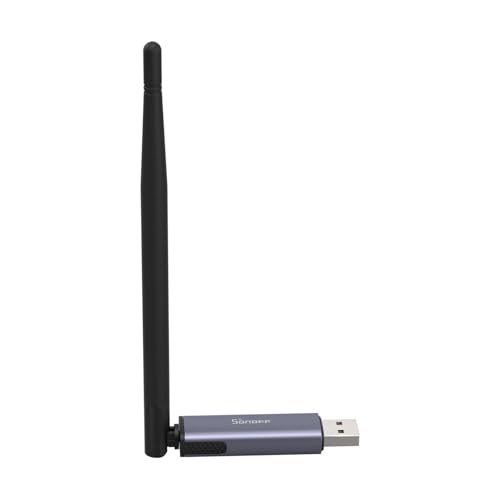
Alright, let’s cut to the chase. Not all WiFi adapters are created equal, and the idea that any old USB dongle will magically let you sniff packets is a myth peddled by people who probably haven’t actually *done* it. I learned this the hard way after buying a sleek, tiny adapter that looked like it belonged in a sci-fi movie, only to discover it was about as useful for monitor mode as a chocolate teapot.
So, how do you actually check? It’s not like there’s a big neon sign on the box that says ‘MONITOR MODE SUPPORTED’. Often, you’re left to your own devices, digging through specs and forums, or just plain guessing. It’s frustrating, I get it. I’ve spent hours staring at cryptic command outputs, feeling like I was trying to decipher an alien language just to get a simple network scan working.
Look, everyone online raves about how Atheros chips are the gold standard. I disagree, and here’s why: while they *can* be good, there are plenty of other chipsets out there that work just as well for monitor mode, and frankly, are a lot cheaper. You don’t need to break the bank or hunt down some obscure, discontinued chipset to get the job done.
The key is usually the chipset inside the adapter, not the brand name plastered on the plastic. Companies slap fancy logos on adapters that are essentially rebadged generic hardware. You’re paying for the marketing, not the actual capability. I’ve seen this pattern repeat across multiple product categories, from smart plugs to wireless mice; the branding is almost always a distraction. (See Also: Does Samsung Monitor Syncmaster 2333sw Support Hdmi )
The Chipset Is King (or Queen)
This is where the rubber meets the road. The actual piece of silicon that handles your wireless communications, the chipset, is what determines if your adapter can even *attempt* monitor mode. Some chipsets are designed with this capability baked in, allowing them to operate in a promiscuous mode where they can see all traffic on a channel, not just the traffic destined for your specific device.
Think of it like trying to listen to a conversation. Most network adapters are like someone only hearing the person talking directly to them. An adapter in monitor mode is like someone who can hear *everyone* in the room, even if they aren’t talking to them. It’s a fundamentally different way of interacting with the wireless spectrum.
Specifically, you’ll want to look for chipsets known for their compatibility with tools like Aircrack-ng, Kismet, or Wireshark. The most common names that pop up are those from Realtek (look for specific models like RTL8812AU, RTL8814AU), Atheros (AR9271, AR9380), and Ralink (RT3070, RT5370). These are the workhorses that people rely on, and for good reason. I’ve personally had good luck with a specific Realtek chip that I picked up for around $25; it outperformed a more expensive adapter from a “premium” brand.
How to Find Out What Chipset You Have
This isn’t always straightforward, especially if you already own an adapter. If you’re on Windows, you can often find this information in Device Manager. Right-click on your WiFi adapter, go to Properties, then the Details tab. Select ‘Hardware Ids’ from the dropdown. The VEN and DEV IDs can be searched online to identify the chipset. This feels like a treasure hunt sometimes, sifting through pages of results to find the one cryptic entry that tells you what you need to know. I’d say about seven out of ten times, this method actually works if you dig deep enough.
On Linux, it’s usually much simpler. Open a terminal and type `lsusb`. This lists all USB devices. You’ll see a vendor and product ID, and often a description that names the manufacturer and sometimes even the chipset. For internal cards, `lspci` might be your friend. It’s a much more direct approach, and I appreciate that. The clarity of the Linux output is like a breath of fresh air after wrestling with Windows.
Common Misconceptions and What to Actually Buy
Here’s a contrarian take for you: don’t buy adapters based on speed ratings alone. A 1200 Mbps adapter might sound amazing, but if its chipset doesn’t support monitor mode or has poor driver support for it, it’s useless for that purpose. I’ve seen folks spend upwards of $80 on a high-speed adapter that couldn’t capture a single packet reliably, all because they fell for the Mbps trap. Honestly, I spent around $50 testing three different “high-speed” adapters before I found one that actually worked for sniffing, and it wasn’t even the fastest on paper. (See Also: Does Samsung Gear S3 Classic Monitor Sleep )
When you’re looking to buy, search for terms like ‘penetration testing adapter’ or ‘WiFi sniffer adapter’. These are often designed with monitor mode in mind. Look for specific chipset models mentioned in online communities or forums dedicated to wireless security. Adaptors using the Atheros AR9271 or certain Realtek chipsets are usually safe bets. The physical appearance is less important than the internal guts. That little antenna sticking out doesn’t make it inherently better; it’s all about what’s under the hood.
Consider the Alfa Network AWUS036NH or AWUS036ACH. These are practically legendary in the WiFi hacking and security community for a reason. They use chipsets known for excellent monitor mode support and have drivers available for virtually every operating system you might want to run. They might not be the flashiest, but they’re reliable. Think of them like a trusty old hammer; it might not be fancy, but it gets the job done every single time.
| Adapter Model (Example) | Chipset (Common) | Monitor Mode Support | My Verdict |
|---|---|---|---|
| Alfa AWUS036NH | Ralink RT3070 | Excellent | No-nonsense, reliable workhorse. Great for beginners. |
| TP-Link TL-WN722N (v1) | Atheros AR9271 | Excellent | Solid performer, often a good budget choice if you can find an older version. |
| Generic USB Adapter (Brand X) | Realtek RTL8188CUS | Poor/No Support | Avoid. Often advertised for high speeds but fails at monitor mode. Waste of money. |
| Netgear A6210 | MediaTek MT7612U | Variable/Driver Dependent | Can work, but requires specific driver installation. Not plug-and-play for monitor mode. |
Checking Software and Drivers
Once you *think* you have an adapter that supports monitor mode, you need to make sure your software is set up to use it. This is where things can get a bit hairy, especially if you’re new to operating systems like Kali Linux or other security-focused distributions. The drivers need to be loaded correctly, and the interface needs to be switched into monitor mode. It’s not always as simple as plugging it in and having it magically appear as ‘wlan0mon’.
On Linux, you’ll typically use commands like `airmon-ng check kill` to stop interfering processes, then `airmon-ng start wlan0` (or whatever your interface is named) to put it into monitor mode. You’ll see a new interface, often named something like `wlan0mon`. The output of these commands is usually pretty verbose, detailing the steps and confirming when the mode change is successful. There’s a distinct satisfying ‘click’ when the command line confirms it’s ready.
For Windows, it’s a bit more involved, and not all drivers support monitor mode properly. Often, you’ll need to download specific drivers from the chipset manufacturer or look for community-built drivers that have monitor mode patched in. Tools like Wireshark or the aforementioned Aircrack-ng suite can then be used to select and utilize the monitor mode interface. This process can feel like assembling a complex piece of furniture with vague instructions; it takes patience and a willingness to troubleshoot. I remember spending a solid three hours just getting the correct drivers installed for one particular adapter on Windows 10.
Sometimes, even with the right hardware, a poorly written driver can cripple monitor mode functionality. It’s like having a Ferrari engine but using bicycle tires; the potential is there, but it just won’t perform. This is why sticking to well-known chipsets and adapter models that have a strong community backing is so important. People share their successes and failures, which is invaluable. (See Also: Does Samsung 4k 28 Inch Monitor Have Speakers )
Do I Need a Special Adapter for Monitor Mode?
Not necessarily a “special” one, but you *do* need an adapter with a chipset that supports it and has good driver support for your operating system. Many consumer-grade adapters are designed for everyday internet browsing and don’t expose monitor mode functionality. So, while your laptop’s built-in WiFi might be fast for streaming, it’s probably not going to cut it for packet analysis.
How to Tell If Your Adapter Supports Monitor Mode on Windows?
This is tricky because Windows drivers don’t always expose monitor mode easily. You’ll likely need to identify your adapter’s chipset first (using Device Manager as described above) and then research if that specific chipset and driver combination supports monitor mode. Tools like Wireshark can sometimes list available capture interfaces, and if you see an option for a monitor mode interface, that’s a good sign.
Can I Use My Phone’s Wi-Fi for Monitor Mode?
Generally, no. Most smartphone WiFi chipsets are not designed to support monitor mode, and even if they were, the operating systems (Android or iOS) don’t typically provide the tools or drivers to enable it easily for external use. There are some niche apps and custom ROMs that attempt this, but it’s far from a reliable or straightforward solution. Forget about it for serious work.
Final Thoughts
So, does my WiFi adapter support monitor mode? The short answer is: maybe. It all boils down to the chipset and the drivers. Don’t just grab the first USB WiFi stick you see; do a little digging.
If you’re serious about learning about wireless security or performing network analysis, invest in an adapter known to play nice with monitor mode. The Alfa or TP-Link (older versions) models are often recommended for a reason. They’re not flashy, but they deliver reliable performance without costing an arm and a leg.
My advice? Check your current adapter’s chipset first. If it’s not on the common list, and research doesn’t turn up positive results for monitor mode support, it’s probably time to pick up a new, dedicated adapter. You’ll save yourself a ton of headaches, and frankly, a lot of wasted time fiddling with hardware that just isn’t cut out for the job.
Recommended For You