How to Rid Your Garden of Japanese Beetles?
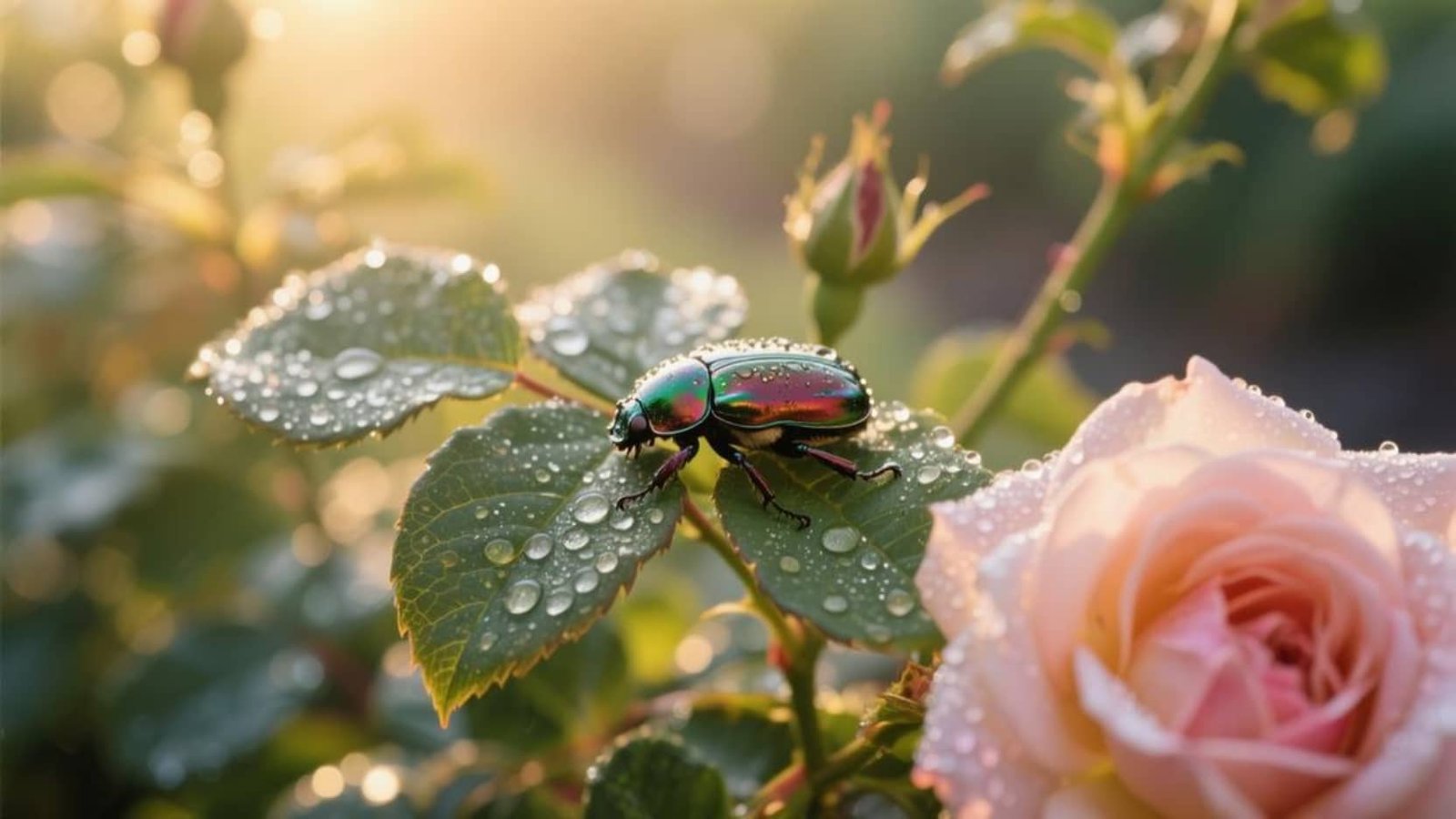
A thriving garden, bursting with colorful flowers and healthy vegetables, is a source of immense pride for any homeowner. But that sense of accomplishment can quickly vanish when you spot them: hordes of shiny, copper-and-green insects turning your beautiful leaves into lace.
If this scene is all too familiar, you’re dealing with the Japanese beetle. But don’t throw in the trowel just yet. You can win this battle. This guide provides a complete action plan for how to rid your garden of Japanese beetles for good.
What Are Japanese Beetles?
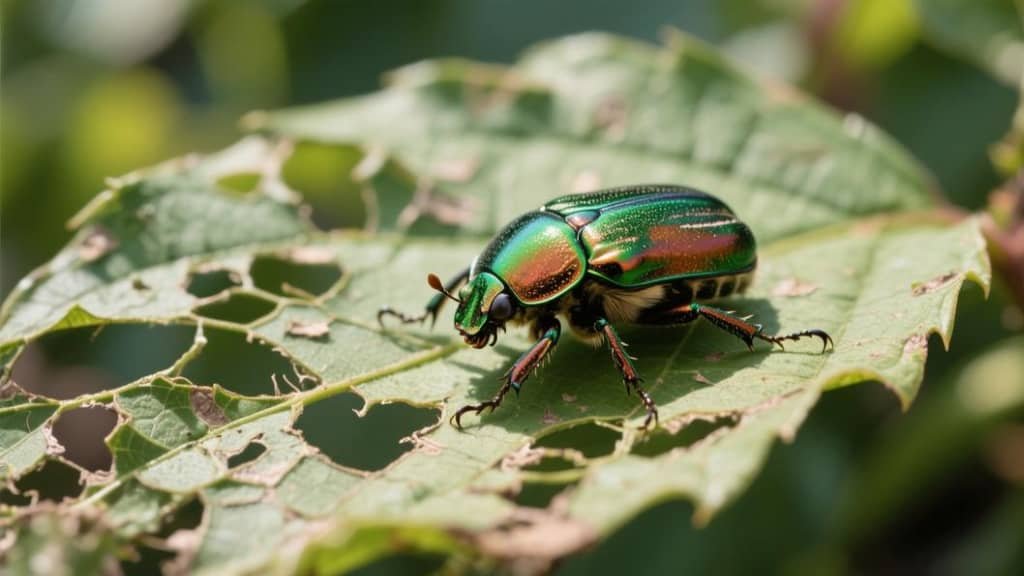
First, let’s properly identify the enemy. Japanese beetles are small but unmistakable pests. About a half-inch long, their signature look is a bright, metallic green head and a coppery-bronze body. The dead giveaway, if you look closely, is a row of five small white hair tufts on each side of their abdomen.
These insects are invasive in the United States, meaning they have very few natural predators here. This allows them to multiply and feast on over 300 different types of plants, making them a true garden menace.
Fighting a Two-Front War: The Beetle Lifecycle
To effectively get rid of these pests, you need to think like a general. Your fight is a two-front war: one against the beetles you see, and one against the enemy you don’t.
- The Aerial Assault (Adult Beetles): This is the summer invasion. Adult beetles emerge from the ground and launch an all-out attack on your plants’ leaves, flowers, and fruit. They are social eaters, so where you see one, you’ll soon see dozens more.
- The Underground Sabotage (Grubs): Before they can fly, Japanese beetles spend nearly a year underground as white, c-shaped grubs. These hidden saboteurs chew on the roots of your lawn, causing mysterious dead, brown patches that you can often roll back like a carpet.
A successful strategy must disrupt both stages of this lifecycle. (See Also: Can You Delete Iphone Photos From Computer )
Your Action Plan for a Beetle-Free Garden
When your garden is under siege, you need tactics that work right now. Here’s how to handle the adult beetles wreaking havoc on your plants.
The Bucket of Doom Method
One of the most satisfying and effective home remedies is also the simplest.
- The Tactic: Head out to your garden in the early morning. Beetles are sluggish and less likely to fly when it’s cool. Take a small bucket filled with water and a squirt of dish soap. Hold it directly under a leaf full of beetles and give the branch a gentle shake. They will instinctively drop straight into the soapy water.
- The Result: The soap creates a film on the water they can’t escape from, providing an instant, chemical-free solution.
Creating a “No-Buffet” Zone with Natural Sprays
For larger areas, hand-picking can be tedious. That’s when natural sprays become your best friend.
- Neem Oil: Think of this as a protective shield. Neem oil, a product derived from the neem tree, won’t necessarily kill beetles on contact. Instead, it coats the leaves with a substance that beetles find disgusting, essentially telling them the buffet is closed. It also messes with their hormones if they do take a bite, disrupting their lifecycle.
- Insecticidal Soap: This is your contact weapon. These commercially available soaps must be sprayed directly onto the beetles to be effective. They are great for a quick knockdown but don’t offer lasting protection once the spray has dried.
The Truth About Those Yellow Traps
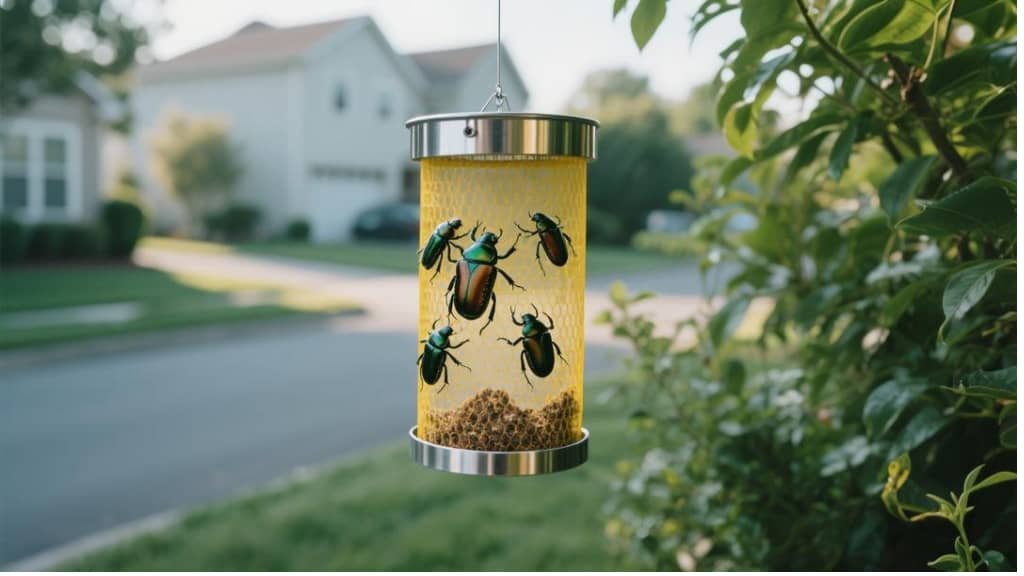
You’ve likely seen Japanese beetle traps hanging in neighborhood yards. They use a powerful scent to lure beetles in. The problem? They are too effective. These traps act like a dinner bell, attracting every beetle for miles around directly to your property. Many experts agree they often cause a bigger infestation than they solve.
The Long-Game: Winning the War Underground
To stop the cycle for good, you must target the grubs in your soil. This is how you prevent next year’s invasion. (See Also: Will Deleting Google Photos Delete Iphone Photos )
Deploying a Microscopic Army
Beneficial nematodes are your secret weapon. These are microscopic, worm-like organisms that naturally hunt and kill grubs in the soil. You mix them with water and spray them on your lawn in late summer. They are completely harmless to people, pets, and plants but utterly devastating to beetle grubs.
Spreading a Grub-Specific Disease
Milky spore is another powerful, all-natural tool. It’s a naturally occurring bacterium that infects and eliminates Japanese beetle grubs and nothing else. You apply the powder to your lawn, and as grubs ingest it, they perish and release more spores into the soil. It’s a slow-burn solution, taking a couple of years to become fully established, but it can then protect your lawn for a decade or more.
Frequently Asked Questions (FAQ)
What kills Japanese beetles instantly?
For an immediate, on-the-spot solution, a bucket of soapy water is your best friend. A quick flick of the wrist sends them into the water, and the soap ensures they can’t escape. A direct hit from an insecticidal soap spray also works instantly.
Are Japanese beetles harmful to humans?
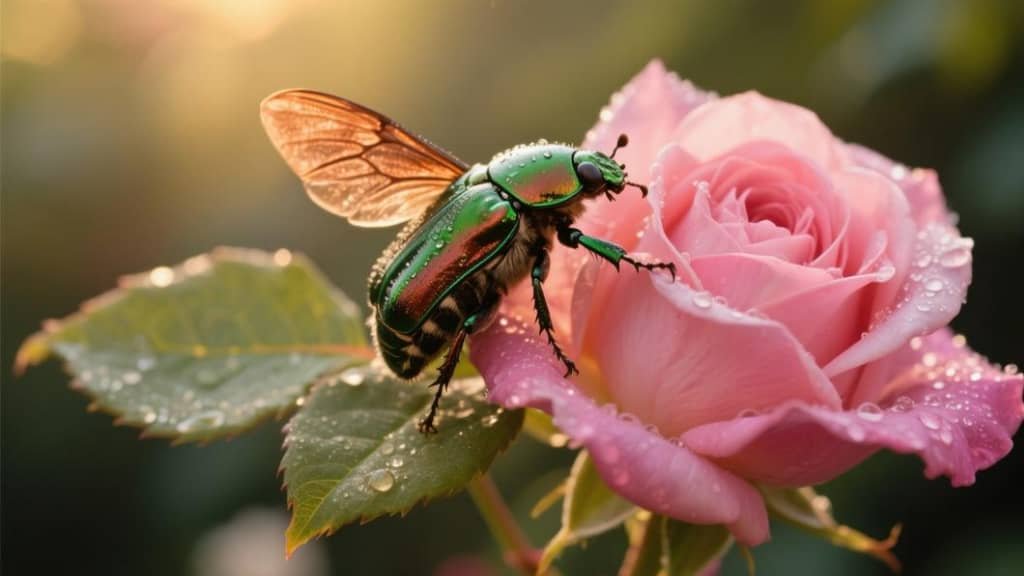
Absolutely not. While they are a menace to your roses, Japanese beetles are not harmful to humans or pets. They don’t bite, sting, or carry diseases. Finding one indoors is usually an accident, and a Japanese beetle infestation in house is not a concern as they can’t survive or reproduce inside.
How do I get rid of Japanese beetles without harming bees?
Protecting our pollinators is crucial. To get rid of Japanese beetles without harming bees, focus on bee-safe tactics. Hand-picking is 100% safe. Biological controls like milky spore and beneficial nematodes only target grubs underground and are completely harmless to bees. If using neem oil, apply it very early in the morning or late in the evening when bees are not active, and never spray open flowers. (See Also: What Is Live Mode On Iphone Camera )
Will Japanese beetles go away on their own?
The adult beetles you see flying around will disappear with the summer heat, usually by early fall. But don’t be fooled—this is just a ceasefire, not the end of the war. They’ve left behind a new generation of grubs in your lawn that will emerge as hungry adults next year.
What time of year are Japanese beetles most active?
Mark your calendars for late June through August. This is primetime for Japanese beetles. They emerge from the soil as adults and spend these hot summer months on a feeding and mating frenzy, causing the most visible damage.
How to rid your garden of Japanese beetles on roses?
Roses are like a five-star restaurant for these pests. Your best defense is a daily patrol. In the cool mornings, hand-pick them into soapy water. As a follow-up, regularly spray the leaves and buds with neem oil to make the plant taste terrible to any new beetles that fly in.
Final Thought
Reclaiming your garden from Japanese beetles is entirely possible. It requires a two-pronged approach: immediate action against the flying adults and a long-term strategy to eliminate the grubs hiding in your lawn. By being persistent and using these smart, effective methods, you can put a stop to the damage and once again enjoy the peaceful, thriving garden you’ve worked so hard to create.
Recommended For You