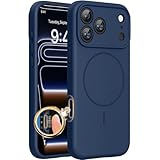
Are iPhone Qi Enabled? Wireless Charging, Explained
My first foray into wireless charging was a disaster. I bought a sleek-looking charging pad for my Android phone a few years back, seduced by the promise of a clutter-free desk. It looked fantastic, but it was slow, unreliable, and sometimes, it just… wouldn’t work. I felt like a sucker, and frankly, I was.
It turns out that figuring out something as seemingly simple as wireless charging can be surprisingly complex, with different technologies and compatibility issues. So, are iPhone Qi enabled? The short answer is yes, but the details are a little more nuanced.
It’s all about understanding the technology and knowing what to expect. This isn’t just about buying the cheapest charger; it’s about understanding the standards and ensuring a good experience. We’ll cover everything you need to know.
Let’s dive in.
Wireless Charging: The Basics
Wireless charging, also known as inductive charging, works using electromagnetic induction. A charging pad contains a coil that generates a magnetic field when electricity passes through it. The back of the phone contains a similar coil. When you place your phone on the pad, the magnetic field induces a current in the phone’s coil, which charges the battery.
This is the fundamental principle, but there’s more to it.
The beauty of this system is in its simplicity. No more fumbling with cables! Just set your phone down and let the magic happen. The reality, however, can be a bit different. I remember one time, using a cheap charger, I woke up to a phone that was still at 20% and ice cold because the charger was faulty. It ruined my entire day because I had to find a replacement to get through work.
First, Qi is the primary standard. Qi (pronounced “chee”) is the most widely adopted wireless charging standard. It was developed by the Wireless Power Consortium (WPC), a group of companies working together to promote interoperability. This means that, in theory, any Qi-certified charger should work with any Qi-enabled device, including iPhones.
The speed of charging can vary depending on the charger and the iPhone model. Apple’s iPhones support different wireless charging speeds, and a charger’s wattage influences the charging time. Higher wattage chargers can charge iPhones faster, but the iPhone also has limits on the maximum wattage it will accept.
But what about the chargers themselves? Let’s get into it.
The Qi Standard and Iphones
So, back to the big question: are iPhones Qi enabled? Yes! Apple adopted the Qi standard. This means that you can use a wide variety of Qi-certified chargers with your iPhone. The WPC ensures compatibility, which means any charger you buy should, in theory, work.
I learned the hard way that not all Qi chargers are created equal. I once bought a dual-charging pad, promising to charge my phone and my partner’s simultaneously. It looked great on the website, with glowing lights and sleek design. The problem? It barely charged either phone, and if we put both phones on it at the same time, it was slower than plugging them into the wall. I felt like I had been tricked!
Charging speed is a key factor to consider. The iPhone models, generally, support 7.5W wireless charging. However, with the right charger, you can achieve faster charging speeds. For example, some third-party chargers can provide up to 15W of wireless charging to an iPhone. However, Apple’s MagSafe chargers can deliver up to 15W of power, offering a slightly faster charging experience compared to standard Qi chargers. (See Also: How Do You Enable Gps On Iphone )
Here is where things get interesting.
MagSafe is Apple’s own magnetic wireless charging system. MagSafe chargers use magnets to align the charger with the back of the iPhone, which provides more efficient charging and a more secure connection. MagSafe chargers are also Qi-compatible, so they can charge any Qi-enabled device, including Android phones, but they’re optimized for iPhones. This magnetic alignment and improved efficiency often translate to faster charging speeds, compared to standard Qi chargers.
The sensory detail here is the satisfying thunk the MagSafe charger makes when it connects to the back of the iPhone. It’s a small detail, but it speaks volumes about the design and user experience.
What to Look for in a Wireless Charger
Choosing a wireless charger isn’t just about finding the cheapest option. If you want a good experience, there are several factors to consider. This goes beyond the basic spec sheet, too.
First and foremost, check for Qi certification. This certification ensures that the charger meets the standards for wireless charging and will work with your iPhone. Always check for this, because if it’s not present, it’s just a fancy paperweight.
Next, consider the wattage. As mentioned before, the higher the wattage, the faster the charging speed. The iPhone can accept a certain amount of power, so a 15W or higher charger is generally recommended for faster charging, though the iPhone itself controls the charging rate.
Beyond the basics, think about the design. Do you want a charging pad, a charging stand, or something else? Consider your needs and the space where you’ll be using the charger. For example, if you want to use your phone while it’s charging, a charging stand is more practical.
I made the mistake of buying a charger that didn’t have any grip to it. My phone would slowly slide off the charging pad, especially if there were vibrations from my desk. It was useless.
Also, think about additional features. Some chargers include multiple charging spots, allowing you to charge your phone and other devices simultaneously. Some have built-in fans to prevent overheating, while others have integrated LED lights to indicate the charging status.
Finally, consider the materials. High-quality chargers are often made from premium materials like aluminum or glass, which can look and feel more premium. However, these materials can also be more expensive. Choose based on your priorities.
The smell of plastic from some cheap chargers is something that I definitely didn’t expect the first time I bought one. It’s not a pleasant experience.
Magsafe vs. Qi: Which Should You Choose?
The question of whether to choose MagSafe or a standard Qi charger comes down to a few key factors. The main thing is that MagSafe is superior. (See Also: What Does It Mean Iphone Is Disabled )
MagSafe offers several advantages. The magnetic alignment ensures a more secure connection, reducing the chances of your phone slipping off the charger. MagSafe also provides faster charging speeds compared to standard Qi chargers, and it offers a better overall user experience. I have found it incredibly convenient to be able to pick up my phone while it’s charging and not worry about it disconnecting.
However, MagSafe chargers are typically more expensive than standard Qi chargers. If budget is a major concern, a standard Qi charger can be a good option. They are still a good experience overall, but not quite as good as MagSafe.
Here’s a comparison:
| Feature | MagSafe | Standard Qi | My Opinion |
|---|---|---|---|
| Charging Speed | Faster (up to 15W) | Slower (up to 7.5W) | MagSafe wins |
| Connection | Magnetic, secure | Not magnetic, may slip | MagSafe wins |
| Cost | More expensive | Less expensive | It’s worth the price |
| Compatibility | Optimized for iPhone | Works with any Qi-enabled device | Both are good |
| Overall Experience | Superior | Good | MagSafe wins |
Troubleshooting Common Wireless Charging Issues
Even with the best chargers, you may run into some issues. These are often easy to fix.
First, make sure your phone is properly aligned on the charger. The charging coil in the phone needs to be aligned with the coil in the charger. If your phone isn’t aligned correctly, it won’t charge, or it will charge very slowly. Many chargers have visual indicators, like LED lights, to tell you whether your phone is charging.
Second, check for any obstructions. Wireless charging relies on the transfer of energy through a magnetic field, and anything between the phone and the charger can interfere with the process. This includes metal objects, such as credit cards or keys, or thick phone cases. This is especially true with older models.
Third, ensure your charger is connected to a power source. I have made this mistake more times than I care to admit. Check the power adapter and the cable to make sure they are properly connected and functioning.
Finally, check your phone’s software. Outdated software can sometimes cause charging issues. Ensure that your iPhone is running the latest version of iOS. I spent an hour trying to figure out why my phone wouldn’t charge until I updated the software.
If you have tried all the steps, the problem may be the charger itself. Try using a different charger to see if the problem persists. If the other charger works, the original charger may be faulty.
The Future of Wireless Charging
Wireless charging technology continues to evolve. While it may seem like a simple concept, the underlying technology is continually improving. One of the goals is to increase charging speeds. Manufacturers are constantly working to develop chargers that can provide faster charging, ultimately shortening the time it takes to charge your iPhone.
Another area of focus is the charging distance. Current wireless chargers require the phone to be in direct contact with the charger. In the future, we may see chargers that can charge devices from a greater distance.
The Wireless Power Consortium (WPC), the organization that manages the Qi standard, is constantly working to improve the technology. According to the WPC, ongoing efforts are focused on improving efficiency and compatibility to ensure a better user experience. (See Also: How Do I Disable Airdrop On Iphone )
There are also trends in the design of wireless chargers. We’ll likely see more innovative designs, including chargers that can charge multiple devices at once. This will be a boon for anyone who owns multiple devices, like a smartwatch.
I would bet that in the next few years, wireless charging will become even more seamless, efficient, and integrated into our daily lives. With each iteration, the technology is getting more refined.
Are Iphones Qi Enabled? Faq
Does the iPhone 15 Have Wireless Charging?
Yes, all iPhone 15 models, like all recent iPhone models, are Qi-enabled. This means you can use Qi-certified wireless chargers with your iPhone 15. The iPhone 15 series also supports MagSafe charging for faster and more secure charging.
How Do I Know If My iPhone Has Wireless Charging?
If you have an iPhone 8 or later model, your iPhone has wireless charging. You can easily check by looking at the back of your phone. If it’s a newer model, then you can be confident that you have the ability to charge your device wirelessly.
Can I Charge My iPhone with Any Wireless Charger?
You can charge your iPhone with any Qi-certified wireless charger. However, for the best experience, and potentially faster charging speeds, consider using an Apple MagSafe charger. These are designed specifically for iPhones and offer a more secure and efficient charging experience.
How Fast Does the iPhone Charge Wirelessly?
The charging speed of your iPhone will vary depending on the charger you use. With a standard Qi charger, your iPhone can charge at around 7.5W. With a MagSafe charger, you can achieve up to 15W of wireless charging. The actual charging speed will also depend on your iPhone model and the ambient temperature.
Is Wireless Charging Safe for My iPhone Battery?
Wireless charging is generally safe for your iPhone battery. The iPhone has built-in safety features to prevent overcharging and overheating, which can damage the battery. However, it’s always recommended to use chargers from reputable brands and to avoid exposing your iPhone to extreme temperatures while charging.
Verdict
So, are iPhone Qi enabled? Absolutely. It’s a convenient and modern way to keep your phone powered up.
It’s all about understanding the technology and choosing the right charger for your needs. Do your homework, read reviews, and don’t be afraid to try different options. With so many choices out there, you are certain to find the wireless charger that works best for you.
- Why Is My Find My iPhone Disabled? Common Causes & Fixes
- How Do I Enable Location on iPhone: Enable Location on iPhone:...
- How Do I Disable Sos on My iPhone? A Frustrated User's Guide
- Stuck? How Do I Reset My Disabled iPhone Without Losing Data?
- Why Won't My Wi-Fi and Bluetooth Turn on iPhone: Why Won't My
Think about the overall experience. Wireless charging is not just about the technical specifications; it’s about the convenience, the ease of use, and the aesthetic appeal.
Now, go forth and charge wirelessly!
Recommended Products
Recommended For You