The air inside your home can be full of things you cannot see. Pollen, pet dander, dust, and even smoke can fill a room and affect how you feel. These tiny particles may trigger allergies, bother people with asthma, or just make the air feel stale. An air purifier is a simple solution to this problem.
This type of appliance works by pulling in the air from a room and passing it through a series of filters. These filters catch and trap the pollutants. The machine then pushes clean, fresh air back out into your space. The market has hundreds of different models, so finding the right one can be a challenge.
This guide is here to help. We have done the research for you, looking at many different models to find the best options available. You might need a small unit for your bedroom, a powerful one for your main living area, or a smart device that works with voice commands. We have a pick for every situation. Let’s explore the 13 best air purifiers for 2025 so you can take a deep breath of clean air.
Our Quick Picks: The 13 Best Air Purifiers at a Glance
| Product Name | Best For | Recommended Room Size (Approx.) | Key Feature |
| LEVOIT Core Mini-P | Desks & Small Bedrooms | Up to 178 sq. ft. | Compact Size & Fragrance Sponge |
| Coway Airmega AP-1512HH | Overall Performance | Up to 361 sq. ft. | Smart Sensor Adjusts Speed |
| BLUEAIR Blue Pure 211i Max | Extra-Large Rooms | Up to 635 sq. ft. | Quiet & Powerful Filtration |
| GermGuardian AC4825E | Germs & Odors | Up to 153 sq. ft. | UV-C Light Sanitizer |
| LEVOIT Core 300S-P | Smart Home Use | Up to 219 sq. ft. | WiFi & Alexa Control |
| FULMINARE H13 | Budget-Friendly & Nurseries | Up to 108 sq. ft. | Quiet Operation & Night Light |
| MOOKA PR1 | Air Quality Tracking in Big Rooms | Up to 2,200 sq. ft. | Washable Filter & PM2.5 Display |
| LEVOIT Core 300-P | Simple, Reliable Cleaning | Up to 219 sq. ft. | Strong High-Torque Motor |
| MOOKA H13 Large Room | All-Around Value | Up to 1,076 sq. ft. | High Coverage for the Price |
| PuroAir 240 | Medical-Grade Filtration | Up to 1,000 sq. ft. | Certified HEPA 14 Filter |
| Afloia Large Room | Style & Room Ambiance | Up to 1,076 sq. ft. | 7-Color Night Light |
| WINIX 5510 | Pet Owners & Smoke | Up to 390 sq. ft. | Strong Odor-Fighting Carbon Filter |
| AROEVE MK01 | Basic Bedroom Use | Up to 215 sq. ft. | Simple, User-Friendly Design |
In-Depth Reviews: The 13 Best Air Purifiers for 2025
1. LEVOIT Core Mini-P: Best for Desks and Small Spaces
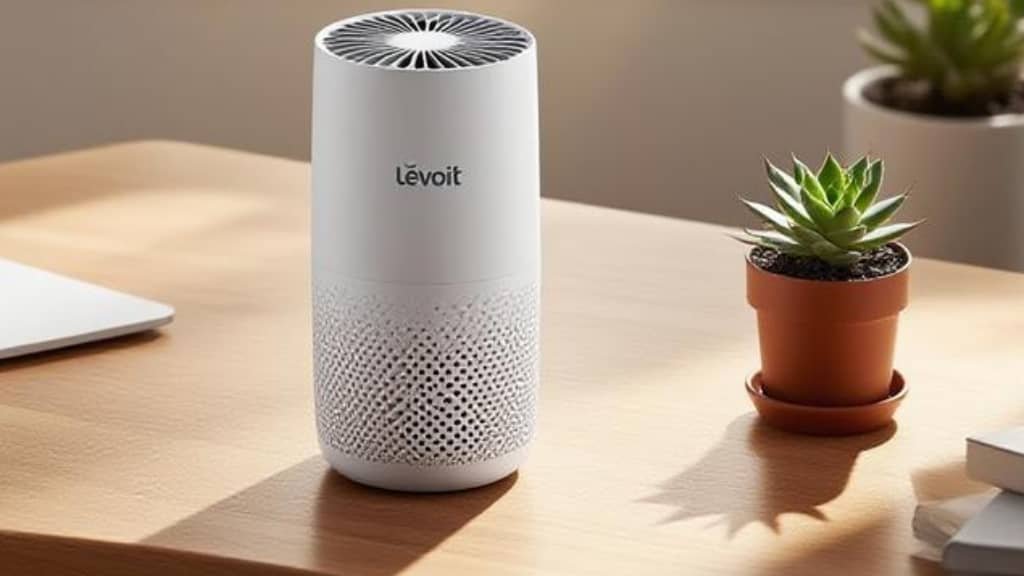
The LEVOIT Core Mini-P shows that good performance can come in a small size. This is the perfect air purifier for an office desk, a bedside table, or a small bedroom. Its compact shape uses very little space but contains an effective 3-stage filtration system.
The system has a pre-filter for big particles like pet fur, a True HEPA filter for fine dust, and an activated carbon filter to handle odors. A special feature is the fragrance sponge. You can put a few drops of your favorite essential oil on the pad to add a nice scent to the clean air. The unit runs very quietly, which makes it a great choice for a good night’s sleep.
Pros
Cons
2. Coway Airmega AP-1512HH(W): Best Overall Performance
The Coway Airmega AP-1512HH has been a top seller for years, and it is easy to see why. It offers a great mix of power, features, and price. This purifier is a dependable machine for medium-sized rooms like living rooms or master bedrooms. Its best feature is the smart Auto Mode. A particle sensor checks your air quality and shows the result with a colored light. It automatically increases fan speed when it finds pollutants, then slows down to save power once the air is clean.
The unit uses a four-stage cleaning process. A washable pre-filter catches large bits, a deodorization filter reduces odors, a True HEPA filter grabs tiny particles, and an ionizer freshens the air. People watching their energy bill will appreciate the Eco Mode, which turns the fan off if clean air is detected for 30 minutes.
Pros
Cons:
3. BLUEAIR Blue Pure 211i Max: Best for Extra-Large Rooms
You need a lot of power to clean the air in a big, open room. The BLUEAIR Blue Pure 211i Max gives you that power. It is built for very large spaces and can clean a 635 sq. ft. room five times in an hour. Its special HEPASilent™ technology uses both electrostatic and mechanical filtering to trap 99.97% of airborne particles down to 0.1 microns. This method makes it very quiet and energy-friendly for its size.
This smart purifier links to the BLUEAIR app. The app lets you check air quality, change settings, and set schedules on your phone. It even tells you when it is time to replace the filter. The purifier has a clean, modern look with fabric pre-filters in different colors, so it fits well in any home.
Pros
Cons
4. GermGuardian AC4825E: Best for Germs and Odors
The GermGuardian AC4825E is a great pick if your main goal is to fight germs, mold, and strong odors. This purifier stands out because it has a UV-C light. The light works with titanium dioxide to destroy airborne viruses and bacteria, which adds another level of cleaning.
It’s 3-in-1 filter system begins with a charcoal pre-filter. This part traps big dust particles and reduces common smells from pets, cooking, or smoke. The True HEPA filter then grabs 99.97% of the remaining small allergens. The tower shape saves floor space. Three speed settings and a quiet low mode make it useful for day and night in small to medium rooms.
Pros
Cons
5. LEVOIT Core 300S-P: Best for Smart Home Use
The LEVOIT Core 300S-P is a smart version of the popular Core 300 model. This is the ideal air purifier for anyone who enjoys tech and convenience. You can connect it to the VeSync app to control the purifier from any location. You can turn it on before arriving home, create schedules, see your filter’s life, and check the current air quality.
It also works with Amazon Alexa and Google Assistant, giving you hands-free voice control. The unit uses a strong 3-stage filtration and runs at a very quiet 24dB in Sleep Mode. The AHAM Verifide seal confirms that its performance claims for room size are accurate and tested by an independent group.
Pros
Cons
6. FULMINARE H13 True HEPA Air Filter: Best Budget-Friendly Option
You can get clean air without spending a lot of money. The FULMINARE H13 Air Purifier is a terrific, low-cost choice for small areas like a child’s room, a nursery, or a home office. It comes with a solid H13 True HEPA filter that captures particles down to 0.3 microns, which is great for this price.
The design focuses on simplicity and quiet use. A built-in night light gives off a soft glow, perfect for a kid’s room. It is very simple to operate with just one button. Its small size and low weight mean you can move it between rooms with no trouble. It may not have the extra features of expensive units, but it does its main job well: cleaning the air in a small space.
Pros
Cons
7. MOOKA PR1: Best for Air Quality Monitoring in Large Spaces
The MOOKA PR1 offers high-end features at a good price for cleaning large rooms. Its best feature is the live PM2.5 display. This screen shows you the exact amount of fine particles in your air, so you can watch the purifier work. When used with its auto mode, the unit changes its fan speed based on these numbers to keep the air clean automatically.
The unit cleans up to 2,200 sq. ft. in an hour, so it works well in big living spaces and open-plan homes. A helpful benefit is its washable pre-filter. This feature can make the main H13 True HEPA filter last longer and save you money. It handles pet dander, smoke, and dust very well, making it a strong and smart option for families.
Pros
Cons
8. LEVOIT Core 300-P: Best for Reliable & Simple Performance
The Core 300-P is the perfect pick if you like the LEVOIT Core series but do not need smart controls. It is a direct, strong, and effective air purifier. It uses the same great 3-stage filter system as the 300S, including a True HEPA filter that removes 99.97% of airborne particles.
Its powerful motor lets it clean the air in a 219 sq. ft. room five times per hour. This makes it a good fit for bedrooms, kitchens, and offices. The unit is AHAM Verifide, so you can trust its performance numbers. A special sleep mode runs at a quiet 24dB, and you can turn off the display lights for a dark room. It is a simple machine that just works.
Pros
Cons
9. MOOKA H13 Large Room Purifier: Best All-Around Value
The MOOKA H13 Air Purifier gives you a great mix of coverage, power, and cost. It is rated to clean rooms up to 1,076 sq. ft. This makes it a flexible choice that can handle a large living room or master bedroom without the high price of other models.
It uses a standard H13 True HEPA filter and an activated carbon filter to get rid of smells from pets, smoke, and cooking. The unit is quiet for its power level. The addition of a soft night light makes it a good option for bedrooms. It is a solid step up for people who find small purifiers are not enough, but do not want to buy a high-end smart device.
Pros
Cons
10. PuroAir 240 HEPA Air Purifier: Best for Medical-Grade Filtration
Standard filtration might not be enough for people with serious allergies, asthma, or other health issues. The PuroAir 240 offers more with a certified HEPA 14 filter. A HEPA 14 filter is a step above the usual True HEPA (H13) filter. It captures 99.99% of particles down to 0.1 microns. This level of filtration is often called medical-grade.
This strong unit can handle rooms up to 1,000 sq. ft. It has a smart particle sensor that finds pollutants and changes the fan speed for you. Its performance is backed by tests from independent labs, which gives you confidence that it works as advertised. The PuroAir 240 is a top choice for anyone who needs the highest level of air cleaning.
Pros
Cons
11. Afloia Air Purifier Large Room: Best for Style & Ambiance
An air purifier does not have to look plain. The Afloia Air Purifier shows that a useful appliance can also look good. It cleans the air well in large rooms up to 1,076 sq. ft. Its most interesting feature is the 7-color ambient night light. You can let the colors cycle or choose one to fit your mood or room decor.
Inside the stylish body is a solid 3-stage filtration system. It removes dust, pollen, pet dander, and odors from the air. The unit runs as quietly as 22dB, making it one of the quietest purifiers of its size. This makes it great for light sleepers. It is a good pick for someone who wants clean air and a nice-looking machine.
Pros
Cons
12. WINIX 5510: Best for Pet Owners and Smoke
The WINIX 5510 is a strong performer against tough problems like pet smells and smoke. This is the newer version of the well-known WINIX 5500-2, and it works even better. Its biggest advantage is the high-deodorization carbon filter. It is specially made to capture and get rid of bad smells much better than regular carbon filters.
The unit also has a True HEPA filter and a smart auto mode with a particle sensor. It checks your air all the time and changes its performance when needed. This makes it very good for homes with pets or for clearing the air of smoke. It is built to be sturdy and work hard in medium to large rooms.
Pros
Cons
13. AROEVE MK01 Air Purifier: Best for Basic Bedroom Use
Sometimes you just need a simple machine that gets the job done. The AROEVE MK01 is a popular, straightforward air purifier that is great for a standard bedroom or a small office. It uses an H13 True HEPA filter to clean the air of common allergens and dust.
The controls are easy to understand. It has multiple fan speeds and a sleep mode that dims the lights and runs the fan very slowly. It also has an aroma pad, much like the LEVOIT Mini, to add a nice scent to your room. It is a dependable, easy-to-use, and affordable pick for anyone who needs basic but good air purification.
Pros
Cons
How We Chose the Best Air Purifiers
We picked the units on this list by focusing on the things that matter most to users. Our choices were based on these key points:
Filtration Technology
A purifier’s filter is its most important part. We focused on models with True HEPA filters. This is the top standard, as they can capture 99.97% of particles as small as 0.3 microns. We also looked for units with multiple stages, like activated carbon filters for odors and pre-filters for large bits of dust and hair.
Coverage Area and CADR
An air purifier works best when it is the right size for the room. We looked at the room size listed by the company. We also checked the Clean Air Delivery Rate (CADR) when possible. CADR is a standard measurement of how much clean air a purifier can produce. We chose a variety of purifiers for different spaces, from a small desk to a big living room.
Noise Level
An air purifier should not be loud and annoying. We checked the decibel (dB) ratings for each model, especially on their quiet or sleep settings. This helps you find a unit that will not disrupt your daily life or sleep.
Special Features & Smart Functionality
We looked for features that make the purifiers easier to use. These include an Auto Mode with air quality sensors, smart app and voice control, timers, and filter life indicators. We also noted special extras like UV-C lights or aroma pads.
User Reviews and Real-World Performance
We read many customer reviews to learn how these purifiers work in actual homes. We searched for consistent comments about their reliability, effectiveness, and ease of use. We also paid attention to any common problems people mentioned.
Your Complete Buying Guide to Air Purifiers
Are you ready to make a choice? Keep these ideas in mind to find the right purifier for you.
Understanding Room Size and CADR
First, find the square footage of your room by multiplying its length and width. Pick a purifier with a CADR that matches that size. A good rule of thumb is that the CADR number for smoke should be about two-thirds of your room’s square footage. A 150 sq. ft. room, for example, would do well with a purifier that has a smoke CADR of 100 or more.
Types of Filters Explained
- Pre-Filter: This is the first filter the air passes through. It traps big things like hair, pet fur, and large dust. Many can be washed, which helps save money.
- True HEPA Filter: This is the main filter. It captures very small particles like pollen, pet dander, mold, and dust mites.
- Activated Carbon Filter: This filter is made with special carbon to absorb gases and smells. It is very useful for removing odors from pets, cooking, and smoking.
Noise Levels: What to Expect
- 20-30 dB: Very quiet, like a whisper. Perfect for sleeping.
- 30-40 dB: Like a quiet library. You will hardly notice it.
- 40-50 dB: Like a quiet chat or a refrigerator’s hum. This is fine for use during the day.
- 50+ dB: Like a normal conversation. This is common for high-speed settings and might be distracting.
Consider Long-Term Costs
The first price is not the only cost. You should also think about the price of replacement filters and how often you will need to buy them. Most filters need to be changed every 6 to 12 months. You can also look for Energy Star models to help keep your electric bill down.
Frequently Asked Questions (FAQ)
Do air purifiers really work?
Yes, they do. A good air purifier with a True HEPA filter has been shown to remove most airborne particles from the air. This includes dust, pollen, pet dander, and smoke. The result is better indoor air quality, which can help people with allergies and asthma feel better.
Where is the best place to put an air purifier?
You should place your air purifier in the room where you spend the most time, such as your bedroom or living room. Put it in a spot with at least one or two feet of open space on all sides. This allows the air to move freely. Try not to place it in a corner or directly under a table.
How often should I change the filter?
The timing depends on the specific model and the quality of your air. In general, you should replace a HEPA and carbon filter every 6 to 12 months. The pre-filter should be cleaned or washed about once a month. Many purifiers today have a light that turns on to tell you when it is time for a new filter.
Can an air purifier help with COVID-19 or other viruses?
HEPA filters are able to capture airborne particles that might carry viruses, including the one that causes COVID-19. An air purifier by itself is not a replacement for other safety steps like vaccination, good ventilation, and hand washing. It is best seen as one tool among many to help reduce the spread of germs in the air.
What’s the difference between a HEPA filter and a “HEPA-type” filter?
This is a very important difference. A “True HEPA” filter is tested and certified to trap 99.97% of particles that are 0.3 microns in size. A “HEPA-type” or “HEPA-like” filter is a marketing term. These filters have not met the official standard. They are not as effective and should be avoided if you have serious health concerns.
Final Thoughts
A good air purifier is a purchase that supports your health and comfort. The device removes unseen pollutants from your home, which can lessen allergy symptoms, help you sleep better, and provide the simple pleasure of breathing clean air.
This list has a perfect air purifier for any home, budget, or need. You might like the small and smart LEVOIT Core Mini-P, the powerful and automatic Coway Airmega AP-1512HH, or the extra-large capacity BLUEAIR Blue Pure 211i Max. Use this guide to think about your space and get ready to enjoy a much fresher home in 2025.