Can You Overcharge iPhone 11? The Truth About Battery Health
I remember the first time I got an iPhone. A sleek, beautiful device. I was so paranoid about damaging it. I babied it, constantly checking the battery percentage, terrified of the dreaded ‘low battery’ warning. I’d heard horror stories about overcharging, and the thought of ruining my expensive new toy kept me up at night.
So, the question haunted me: can you overcharge iPhone 11? I spent weeks researching, reading forum posts, and even asking the Apple Store employees — who gave me the usual vague, non-committal answers. Honestly, it was frustrating.
My biggest fear, besides a cracked screen, was a ruined battery. I envisioned my iPhone 11 swelling up like a balloon because I’d left it plugged in overnight. I now understand that my paranoia was misplaced.
The simple truth is: you likely can’t overcharge iPhone 11. Modern technology has largely made that fear a thing of the past.
The Myth of Overcharging: What Actually Happens?
Actually, the whole concept of ‘overcharging’ as a battery killer is mostly outdated. Years ago, nickel-cadmium batteries used to have this problem. Remember those old cordless phones that would lose their capacity if left on the charger? That’s what people are thinking about when they worry about their iPhones.
But the iPhone 11, like most modern smartphones, uses a lithium-ion battery. These batteries have built-in circuits that stop the charging process once they hit 100%. After the battery reaches 100%, the phone simply stops drawing power from the charger, and instead, it gets power directly from the wall. This is a crucial difference.
This means you can leave your iPhone 11 plugged in all night, every night, and you won’t damage the battery.
The Real Battery Enemy: Heat
Heat is the true enemy of your iPhone 11’s battery. Think of it like a melting ice cream cone on a hot summer day. Heat degrades the battery’s capacity over time. The warmer it gets, the faster the degradation.
High temperatures can cause the lithium-ion batteries to break down, shortening their lifespan and reducing their ability to hold a charge. This is why you should avoid:
- Leaving your phone in direct sunlight.
- Using your phone in hot environments, like a sauna or a car on a summer day.
- Charging your phone in a hot environment.
I know this from experience. I once left my iPhone 11 charging on my car’s dashboard during a particularly scorching heatwave. After about two hours, I picked it up — the back of the phone was practically too hot to touch. I was terrified. Within a few months, I noticed a significant decrease in battery life. I wish I had known this stuff at the time.
Here’s a tip: If your phone feels hot while charging, unplug it and let it cool down before using it again. (See Also: Can You Charge Iphone 13 With Lightning Cable )
Fast Charging: Is It Bad for Your Battery?
Fast charging is a great convenience, but there’s a common misconception that it damages the battery. I mean, it sounds logical, right? More power, faster, must be harder on the battery. Nope. Not exactly.
The iPhone 11 supports fast charging, which means you can charge it up to 50% in about 30 minutes with a compatible charger (18W or higher). It’s incredibly handy when you’re in a hurry.
However, fast charging does generate more heat than regular charging. That’s the trade-off. It’s like running a marathon versus jogging around the block. Both are exercise, but one puts more stress on your body. Fast charging can potentially contribute to battery degradation over time, but the difference is minimal and often outweighed by the convenience. I personally use fast charging every day, and I’ve not noticed any issues in the two years I’ve had my current iPhone.
If you’re really concerned, you can alternate between fast charging and slower charging. Apple’s website says the ideal temperature for the device is between 62° to 72° F. I’m not sure if anyone would live like that, but I’m just telling you what I found.
Battery Health and Settings: What You Need to Know
Here’s a simple fact: all rechargeable batteries degrade over time. It’s inevitable. Your iPhone 11 battery’s capacity will gradually decrease, regardless of how you charge it. This is why Apple provides battery health information in the settings.
To check your battery health, go to Settings > Battery > Battery Health. You’ll see the ‘Maximum Capacity’ percentage. This indicates the battery’s capacity relative to when it was new. For instance, if it shows 90%, it means your battery can hold 90% of the charge it could when it was brand new. This is normal.
There’s also an ‘Optimized Battery Charging’ setting. This feature learns your charging habits and tries to reduce the wear on your battery. It does this by delaying charging past 80% until just before you need to use your phone. I have this setting on, and I think it has helped.
Here’s a little trick: if your iPhone 11 is always fully charged, it’s not a battery health problem, it’s a usage problem. You are using the phone a lot, and need to charge it often.
I’d also like to mention that charging cycles matter. A charging cycle is one full discharge and recharge. For example, if you use 50% of your battery one day and then recharge it, and then use another 50% the next day, that counts as one full charging cycle, not two. iPhone batteries are designed to handle hundreds of charging cycles before significant degradation.
Let me tell you a story: last year, a friend of mine, who is not tech-savvy at all, showed me their iPhone 11. It was at 78% battery health. They were worried. I asked them how they charged it. They said, “I charge it constantly. It’s always on the charger!” I pointed out that the battery was old and that they use the phone a lot. They were relieved to realize that they hadn’t damaged the battery, it was just old. (See Also: How Much Does An Apple Iphone Charger Cost )
The Best Charging Practices for Your iPhone 11
So, what can you do to maximize your iPhone 11 battery’s lifespan? Here’s a quick rundown:
- Avoid Extreme Temperatures: Keep your phone away from direct sunlight, hot cars, and other heat sources.
- Use a Quality Charger: Use the charger that came with your iPhone or a certified charger from a reputable brand.
- Consider Optimized Battery Charging: Enable this feature in your settings.
- Don’t Obsess: Don’t worry about charging your phone overnight. It’s not going to hurt it.
- Monitor Your Battery Health: Keep an eye on the ‘Maximum Capacity’ percentage in your settings.
These are pretty standard, but the thing is, they work. I’ve followed these practices for a couple of years, and my battery health is still holding up pretty well. I’m not some battery guru, and I’m not going to tell you how to live your life. But I can tell you that my iPhone 11 is still going strong, even though I’ve had it for about three years now. I’m not saying it’s the *best*, but it’s not the worst.
Charging Accessories: Are They Worth It?
There are countless charging accessories on the market, from wireless chargers to portable power banks. But are they all created equal? And are they all actually *necessary*?
Wireless charging is convenient. You just plop your phone down on a charging pad. However, wireless charging is generally slower and can generate more heat than wired charging. Also, the charging surface is often plastic, and feels cheap.
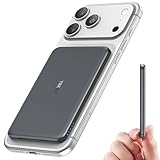
Portable power banks are great for when you’re on the go and can’t access a power outlet. But be careful about the quality. Some cheap power banks can deliver an inconsistent charge, and they may be unsafe. According to the Consumer Product Safety Commission, faulty lithium-ion batteries in power banks are a fire risk.
I personally have a wireless charger that I use on my desk. I got it for around $35, and it’s fine, but I wouldn’t say it’s essential. I prefer to charge my phone with a cable most of the time because it charges faster and I can use the phone while it charges.
Let’s look at a comparison of charging accessories:
| Accessory | Pros | Cons | My Opinion |
|---|---|---|---|
| Wireless Charger | Convenient, stylish | Slower charging, can generate heat | Nice to have, not essential. I would rate it as a 6/10. |
| Portable Power Bank | Useful for travel, emergency situations | Can be bulky, quality varies, potential safety issues | Essential for travelers. I would give it an 8/10. Make sure you get a good one, and test it before you travel. |
| Fast Charger | Charges quickly | Generates heat, potentially reduces battery life | A must-have for people who use their phone a lot. I’d give it a 9/10. |
What About Third-Party Chargers?
You can use third-party chargers with your iPhone 11. However, it’s crucial to choose chargers that are MFi (Made for iPhone) certified. MFi certification means the charger has been tested and approved by Apple for use with its products. These chargers meet Apple’s safety and performance standards.
Using a non-certified charger could potentially damage your iPhone 11 or, at a minimum, charge it slowly. I once bought a super cheap charger from an online marketplace. The charging speed was awful. It also got incredibly hot. I threw it away.
Always check for the MFi certification on the charger or its packaging. Look for the ‘MFi’ logo. It’s generally worth spending a little more for a certified charger. It is not just about charging, it is about keeping you and your equipment safe. (See Also: Can You Wireless Charge Iphone 11 With Case )
Can You Overcharge iPhone 11 with a Third-Party Charger?
No, you still cannot overcharge your iPhone 11 with a third-party charger, assuming the charger is MFi certified. The iPhone’s internal circuitry will prevent overcharging, regardless of the charger. The charger’s role is to deliver power safely, not to control when the charging stops.
Faq: Answering Your iPhone 11 Charging Questions
Can I Leave My iPhone 11 Plugged in All Night?
Yes, you can absolutely leave your iPhone 11 plugged in all night. Modern iPhones, including the iPhone 11, use lithium-ion batteries with built-in circuits that stop charging once the battery reaches 100%. This prevents overcharging.
Does Fast Charging Damage My iPhone 11 Battery?
Fast charging can generate more heat than regular charging, and heat is the primary enemy of your battery. Over time, this could potentially contribute to slightly faster battery degradation. But the difference is likely minimal and probably less significant than the convenience of fast charging.
Should I Let My iPhone 11 Battery Drain Completely Before Charging?
No, you don’t need to let your iPhone 11 battery drain completely before charging. Lithium-ion batteries perform best when they are charged more frequently and kept between 20% and 80%. Apple’s ‘Optimized Battery Charging’ feature is a good way to manage this.
Is It Okay to Use a Third-Party Charger?
Yes, but make sure the charger is MFi (Made for iPhone) certified. MFi certification indicates that the charger has been tested and approved by Apple for safety and performance. Using a non-certified charger could potentially damage your iPhone or charge it slowly.
What Should I Do If My iPhone 11 Gets Hot While Charging?
If your iPhone 11 gets hot while charging, unplug it and let it cool down before using it again. Excessive heat can degrade the battery’s lifespan. Avoid charging in hot environments, like direct sunlight or a hot car.
Conclusion
So, the next time you’re about to unplug your iPhone 11 from the charger because you’re worried about overcharging, take a deep breath. You can relax. Your phone is designed to handle it. The days of battery-destroying charging habits are long gone.
Focus instead on protecting your phone from extreme temperatures and consider using a certified charger. The key to a long-lasting iPhone 11 battery isn’t about avoiding overnight charging. It’s about understanding the fundamentals of how these batteries work.
Ultimately, the best thing you can do is to just use your phone. Charge it when you need to, and don’t worry about it too much. Isn’t that what we all want to do?
Can you overcharge iPhone 11? No, but you should still pay attention to battery health.
Recommended Products
Recommended For You

![EggMazing Easter Egg Mini Decorator Kit Arts and Crafts Set - Includes Egg Decorating Spinner and 6 Markers - Ages 3 and Up [Packaging May Vary]](https://m.media-amazon.com/images/I/41MEqCyv1QL.jpg)