Need Help? The Easy Guide on How Do You Charge iPhone 12
Honestly, the first time I got my hands on an iPhone 12, I felt like a total idiot. I’d been happily using Android for years. Suddenly, a whole new ecosystem, a different charging port, and a vague promise of ‘wireless charging’ that felt more like a tech fairy tale. My initial reaction? Panic. Followed by a frantic search for the right cable.
It’s not as simple as it sounds. We all fumble at first. It’s why I’m writing this. Figuring out how do you charge iPhone 12 is less about rocket science and more about understanding a few basic options, and avoiding some common pitfalls. And trust me, there are pitfalls.
Thankfully, I’ve made the mistakes so you don’t have to. From buying the wrong charger to misinterpreting the blinking light of doom, I’ve seen it all. The good news? It’s all easily fixable and you’ll soon be charging with confidence.
The Basics: What Came in the Box?
You’re probably holding a sleek, shiny iPhone 12. But what else did Apple give you? This is important. A lot of people throw it away. A quick peek inside the box reveals… nothing. Well, almost nothing. You get the phone itself, the usual manuals and paperwork (which you can immediately recycle), and… a USB-C to Lightning cable. That’s it.
This minimalist approach is typical of Apple now. They figure you’ve already got a charger. If not, well, that’s another expense. The cable is essential, but it won’t actually help you unless you have a power adapter. And the adapter, the little white block that plugs into the wall? That’s a separate purchase. Yes, really.
It’s an important detail. You might have old chargers lying around. They might even work. But are they the best option? We’ll get to that.
Charging Options: A Quick Breakdown
So, you need to charge your iPhone 12. How? There are a few main methods, each with its own pros and cons. Understanding these will save you time, money, and frustration. These aren’t the only methods, but these are the most common.
Firstly, there’s the standard wired method. You plug the USB-C end of the cable into a power adapter (the wall charger), and the Lightning end into your iPhone. Simple, right? Generally, yes. But there are nuances. We’ll look at those.
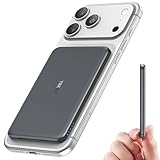
Secondly, wireless charging. This uses the MagSafe technology. You put your iPhone 12 on a MagSafe charger, and it charges. The phone magnetically snaps into place. It is convenient, and you don’t have to fumble with cables. But it’s not always the fastest option, and you need a specific type of charger.
Finally, there’s charging via your computer. You connect your iPhone 12 to your computer using the cable. It’s a slow method, but it can be useful in a pinch.
Wired Charging: Speed, Cables, and Adapters
The wired charging method is the most reliable and often the fastest. The speed of charging depends on two key things: the power adapter you use and the cable itself. The cable that came in the box is great, but the adapter is what makes all the difference. (See Also: Can You Charge Iphone 13 With Lightning Cable )
Specifically, your iPhone 12 supports fast charging. This means it can charge much faster than older iPhones. But you need a power adapter that supports this. Apple recommends using a 20W USB-C power adapter for optimal fast charging.
A little-known fact: a higher wattage adapter doesn’t necessarily harm your phone. The iPhone 12 will only draw the power it needs. So, if you have a 30W or even a 65W adapter (often used for laptops), it will still work. It won’t damage your phone. It just won’t charge *any* faster.
After my second attempt, I learned the hard way. I used an old 5W adapter, and it took what felt like an eternity to charge my phone. I’m talking hours. The worst part was that the phone still got warm, which made me think I was doing something wrong. I was wrong. I was just being impatient.
The visual difference is striking. A 20W adapter will charge your iPhone 12 from 0% to 50% in about 30 minutes. The 5W? Forget about it. It’s a huge difference. In the end, I spent about $22 on a decent 20W adapter. It was worth every penny.
Wireless Charging: Magsafe and Beyond
Wireless charging is convenient. You simply place your iPhone 12 on a charging pad, and it starts charging. The iPhone 12 supports Qi wireless charging, which is the industry standard. However, Apple’s MagSafe technology takes it a step further.
MagSafe uses magnets to align the charger perfectly with the back of your phone. This ensures optimal charging speed and a secure connection. It’s a satisfying ‘snap’ when you connect the phone. It feels…good. MagSafe chargers also allow for faster wireless charging compared to standard Qi chargers. Theoretically, it can deliver up to 15W of power, which is faster than most standard wireless chargers.
Unfortunately, MagSafe chargers aren’t without their downsides. They’re typically more expensive than standard wireless chargers. They also require a specific MagSafe charger. You can use standard Qi chargers, but you won’t get the same charging speed or magnetic alignment. The magnetic alignment is a big deal, and it’s a feature you’ll miss if you go back to a non-MagSafe charger.
For me, the cost of MagSafe was worth it. I hated fiddling with alignment, and the secure connection meant I could use my phone while it charged without worrying about it slipping off the pad. It was a lifesaver when I was traveling for work.
Computer Charging: Slow but Steady
Charging your iPhone 12 via your computer is possible, but it’s not ideal. The charging speed is significantly slower than with a wall adapter, especially if you’re using an older computer. The USB ports on your computer typically provide less power than a dedicated wall charger.
However, charging via your computer can be a useful option in a pinch. If you’re at work, in a library, or anywhere else without access to a wall outlet, plugging your iPhone 12 into your computer can keep it alive. It’s also useful for transferring data and syncing your phone with your computer. (See Also: How Much Does An Apple Iphone Charger Cost )
Just be prepared for a long wait. Charging your iPhone 12 from 0% to 100% via a computer can take several hours. This is because the computer’s USB port provides a much lower power output compared to a wall charger. It’s more of a trickle charge than a fast charge.
The only time I use this option is when I’m traveling and forget my wall adapter. It’s better than nothing, but it’s not something I rely on.
The Myth of ‘overcharging’
Everyone says the same thing. Don’t leave your phone plugged in overnight! The phone will get ruined! I disagree, and here is why: Modern iPhones, including the 12, have built-in safety features to prevent overcharging. Once your phone reaches 100%, it stops drawing power from the charger.
There is a lot of misinformation about lithium-ion batteries and charging. According to the US Department of Energy, the main thing to avoid is extreme temperatures. Excessive heat can degrade the battery, but simply leaving your phone plugged in overnight isn’t going to cause that.
Of course, there are exceptions. If you’re using a cheap, unreliable charger, or if your phone is exposed to extreme heat while charging, then you could potentially damage the battery. But for the most part, modern iPhones are designed to handle overnight charging without issues.
My own experience proves this. I’ve been charging my iPhone overnight for years, using various chargers, and I’ve never had a problem with battery degradation. My phone is still going strong. I also have a friend, a very knowledgeable tech guru, and he agrees with this. We have discussed this at length.
Troubleshooting: Common Charging Problems
Not charging? Here are some things to check. These are easy fixes that will solve 90% of your problems. Don’t panic! Sometimes, the solution is much simpler than you think.
- Check the Cable: Is it damaged? Try a different cable. This is a surprisingly common problem. I’ve gone through three cables in the last year, just from wear and tear.
- Check the Power Adapter: Does it work? Try a different adapter, or try plugging the adapter into a different outlet. A loose connection can cause a lot of headaches.
- Clean the Charging Port: Dust, lint, and pocket fluff can accumulate in the Lightning port and prevent a good connection. Use a non-metallic object (like a toothpick) to gently clean the port.
- Restart Your iPhone: Sometimes, a simple restart can fix charging problems. It clears temporary glitches. This is the first thing I try if there’s any weird behavior.
- Update Your Software: Make sure your iPhone is running the latest version of iOS. Software updates often include bug fixes that can resolve charging issues.
Often, these simple checks will resolve the problem. If not, there might be a more serious issue, and you might need to contact Apple support.
The Best Chargers: Our Recommendations
Choosing the right charger depends on your needs and budget. Here’s a quick rundown of some recommended options.
| Charger Type | Description | Opinion |
|---|---|---|
| 20W USB-C Power Adapter | Apple’s official 20W power adapter. | Reliable, fast charging, and a good value. It’s the recommended choice for most users. |
| MagSafe Charger | Apple’s wireless charger with magnetic alignment. | Convenient, but more expensive. The magnetic connection is a fantastic feature. |
| Wireless Charging Pad (Qi-certified) | A standard wireless charging pad, compatible with Qi. | A cheaper alternative to MagSafe, but the charging speed may be slower. |
| Portable Power Bank | A portable battery pack. | Essential for travel or when you’re away from a power outlet for extended periods. Get one with fast charging. |
Ultimately, the best charger depends on your lifestyle. If you’re always on the go, a portable power bank is a must-have. If you prioritize speed and convenience, a 20W adapter or a MagSafe charger is the way to go. (See Also: Can You Wireless Charge Iphone 11 With Case )
Faq: Answering Your Burning iPhone 12 Charging Questions
Can I Use Any Charger for My iPhone 12?
Yes, you can. However, charging speeds will vary. You can use a slower charger, but the iPhone 12 supports fast charging with a 20W adapter or higher. You can also use any Qi-compatible wireless charger, although MagSafe offers the fastest wireless charging speeds. Check your cable. I’ve had a bad cable ruin my entire day more than once.
Is It Safe to Charge My iPhone 12 Overnight?
Yes, it’s generally safe. iPhones have built-in safety features to prevent overcharging. The phone stops drawing power when it reaches 100%. Avoid extreme temperatures while charging. This is more of an issue, long term, than overcharging.
How Do I Know If My iPhone 12 Is Fast Charging?
The easiest way to tell is by the charging time. With a 20W adapter, your iPhone 12 should charge from 0% to 50% in about 30 minutes. You won’t see a special indicator on the screen, but you’ll notice the difference in speed. With slow charging, it takes noticeably longer.
What Should I Do If My iPhone 12 Isn’t Charging?
First, check the cable, adapter, and charging port. Try a different cable, a different adapter, and clean the port of debris. Restart your iPhone. If the problem persists, you may need to contact Apple support or take your phone to a repair shop.
Does the iPhone 12 Come with a Charger?
No, the iPhone 12 does not include a wall adapter in the box. It only includes a USB-C to Lightning cable. You need to purchase a power adapter separately if you don’t already have one.
Final Thoughts
So, the next time you ask yourself how do you charge iPhone 12, remember it’s not a complicated process. It’s about choosing the right tools for the job: a decent charger, a solid cable, and a little bit of common sense. You can charge via USB-C or wirelessly, and the method you choose depends on your own needs. And, if in doubt, a quick search online can solve most charging-related problems.
Now, go forth and charge your phone! And maybe consider picking up a spare cable. You will thank me later.
Recommended Products
Recommended For You