How Does the Catalyst Monitor Work? My Painful Lessons
Honestly, I used to think these fancy sensors were just another way for mechanics to pad the bill. I mean, how much difference can one little gizmo on the exhaust pipe make?
Turns out, a hell of a lot. I learned this the hard way after spending nearly $400 on emissions tests that kept failing, all because I was ignoring a blinking light that seemed like just another electronic hiccup.
This isn’t some textbook explanation. This is about what happens when you’re stuck on the side of the road, or when your mechanic hands you a bill that makes your eyes water, and you need to understand how does the catalyst monitor work.
It’s about saving you from the same kind of frustration.
Why the Check Engine Light Isn’t Just a Suggestion
Look, that little amber light isn’t just there to make your dashboard look busy. It’s your car’s way of sending out an SOS, and the catalyst monitor is often the first responder. Think of it like this: your car’s engine is a complex chemical plant. It burns fuel, produces exhaust, and ideally, converts harmful gases into less harmful ones before they hit the air. The catalytic converter is the star player in that conversion process, and the catalyst monitor is its performance review system.
If it’s not doing its job, you’re essentially pumping poison into the atmosphere, and more importantly, your car’s performance will tank. I once drove for about six months with a slightly sluggish engine and a weird, almost sulfurous smell – like a rotten egg trying to escape the exhaust. I figured it was just an older car getting… older. Turns out, the catalytic converter was dying a slow death, and the monitor was screaming about it long before I bothered to listen.
The Nitty-Gritty: What’s Actually Happening Back There
So, how does the catalyst monitor work its magic? It’s all about measuring oxygen levels. Before the catalytic converter, there’s an oxygen sensor (often called an upstream O2 sensor). This little guy tells the car’s computer how much oxygen is in the exhaust gases coming directly from the engine. Too much oxygen means the engine is running lean (not enough fuel), too little means it’s running rich (too much fuel).
After the catalytic converter, there’s another oxygen sensor (the downstream O2 sensor). This one measures the oxygen content *after* the exhaust has passed through the converter. Here’s the genius part: a functioning catalytic converter uses oxygen to chemically convert pollutants like carbon monoxide, unburned hydrocarbons, and nitrogen oxides. If the converter is working properly, the oxygen levels measured by the downstream sensor will be significantly different from those measured by the upstream sensor. It’s like comparing the air quality before and after a filtration system. (See Also: What Data Does Reliability Monitor Collect )
The car’s computer compares these readings. If the readings are too similar, it means the catalytic converter isn’t doing its job of processing those gases effectively. It’s not using oxygen like it should. The computer then flags this as a problem, and BAM – you get that dreaded check engine light. Sometimes, it’s just a faulty sensor, and I’ve spent a good $180 on a replacement sensor that didn’t fix the problem because the converter itself was shot. That was a tough lesson in diagnosis.
Why You Should Care (beyond the Law)
Ignoring a catalyst monitor alert isn’t just about failing emissions tests, although that’s a big one, especially if you live in a state with strict regulations. Think about the emissions standards set by organizations like the Environmental Protection Agency (EPA). They’re in place for a reason, and your car’s monitor is helping to ensure you’re meeting them.
A bad catalytic converter can severely impact your car’s fuel efficiency. When it’s clogged or failing, it creates backpressure in the exhaust system, making the engine work harder. This translates directly to more money spent at the pump. I remember one time, my fuel economy dropped by almost 5 miles per gallon. That felt like I was literally pouring money out of the exhaust pipe. The car also feels sluggish, like it’s struggling to breathe. Accelerating can feel like you’re pushing through molasses.
The underlying issue can also snowball. A failing catalytic converter can lead to other engine problems down the line. The excess unburned fuel can damage oxygen sensors, spark plugs, and even the engine itself. It’s a domino effect that starts with ignoring a blinking light. When I finally got mine replaced, the mechanic mentioned that the internal honeycomb structure was practically melted, a common sight when they’re ignored for too long. It looked like a clump of burnt sugar.
Catalyst Monitor vs. Other Exhaust Sensors: What’s the Difference?
This is where people get confused. The catalyst monitor isn’t a single component; it’s the system that monitors the catalytic converter’s performance. The main players in this system are the oxygen sensors (O2 sensors). There are typically at least two: the upstream and the downstream. The upstream O2 sensor monitors the air-fuel ratio entering the converter, feeding that data to the engine control unit (ECU). The downstream O2 sensor monitors the exhaust gas *after* it leaves the converter.
Other exhaust sensors exist, like the Mass Air Flow (MAF) sensor, which measures the amount of air entering the engine, and the Manifold Absolute Pressure (MAP) sensor, which measures engine load. These sensors all feed data to the ECU, helping it manage fuel injection and ignition timing for optimal performance and emissions. But the catalyst monitor’s specific job is to verify the catalytic converter itself is doing its chemical conversion job. It’s like the quality control department for your car’s tailpipe emissions.
What Happens If I Ignore the Check Engine Light?
Ignoring the check engine light, especially if it’s related to the catalytic converter, is a bad idea. You’ll likely see a significant drop in fuel economy, poor engine performance, and increased emissions. Eventually, it could lead to more expensive repairs, including the need to replace the catalytic converter itself, which can cost anywhere from $500 to over $2,000 depending on the vehicle. (See Also: What Does Flo Trac Monitor Tell You )
Can a Bad Catalytic Converter Cause My Car to Stall?
Yes, a severely clogged or failing catalytic converter can cause stalling. As it becomes more blocked, it restricts exhaust flow, which can eventually prevent the engine from running properly, leading to stalls, especially at idle or low speeds. It’s like trying to exhale with a pillow stuffed in your mouth.
How Do I Know If My Catalytic Converter Is Bad?
Common signs include a glowing red catalytic converter (indicating extreme overheating and failure), a rattling sound from under your car (if the internal honeycomb structure breaks apart), a rotten egg smell from the exhaust, significantly reduced acceleration, and, of course, the check engine light with specific codes related to catalyst efficiency.
Do All Cars Have a Catalyst Monitor?
Pretty much any car manufactured since the late 1980s, especially those sold in regions with emissions regulations like the US and Europe, will have a catalytic converter and a system to monitor its performance, which includes O2 sensors and the ECU’s diagnostic capabilities. It’s a standard emissions control component.
My Personal Tale of Woe: The O2 Sensor Swap Fiasco
I’ll never forget the time I was convinced the upstream O2 sensor was the culprit. The P0420 code was staring me in the face, and every forum post I read seemed to point to a bad O2 sensor. I bought a generic one online – cost me about $50. Easy swap, I thought. For about three days, the light stayed off. I was gloating, telling my buddy how I’d saved myself a fortune.
Then, BAM. The light flickered back on. This time, it seemed brighter, more accusatory. I took it to a mechanic who, with a sigh that suggested he’d seen this story a thousand times, plugged in his fancy scanner. He showed me the live data stream. The upstream sensor was reading fine, but the downstream sensor was showing almost identical readings to the upstream – a clear sign the converter was toast. He said, and I quote, “The sensor was probably just stuck in its bad readings, and the new one just started working, but the underlying problem remained.” He charged me $800 to replace the catalytic converter and the downstream O2 sensor. So much for saving money. I’d wasted $50 and several hours of my own time trying to be a cheapskate mechanic.
The Unlikely Comparison: Your Car’s Exhaust as a Restaurant Kitchen
Think about your car’s exhaust system like a busy restaurant kitchen. The engine is the main chef, preparing the food (fuel and air mixture). The exhaust pipes are the service line. The catalytic converter? That’s the head chef or the sous chef in charge of quality control and presentation – ensuring what goes out to the customer (the environment) is clean and safe.
The upstream O2 sensor is like the expediter watching the food as it comes off the main chef’s station, making sure the raw ingredients (air and fuel) are balanced before it hits the line. The downstream O2 sensor is like a food critic, tasting the final dish *after* it’s been prepared and plated by the quality control chef (the catalytic converter). If the critic tastes something off – too much spice, not enough flavor, burnt bits – they send it back, and the head chef knows something went wrong somewhere along the line. If the critic’s review is the same as the expediter’s initial observation, the quality control chef isn’t doing their job. (See Also: What Kind Of Power Cord Does My Monitor Take )
What to Do When the Light Illuminates
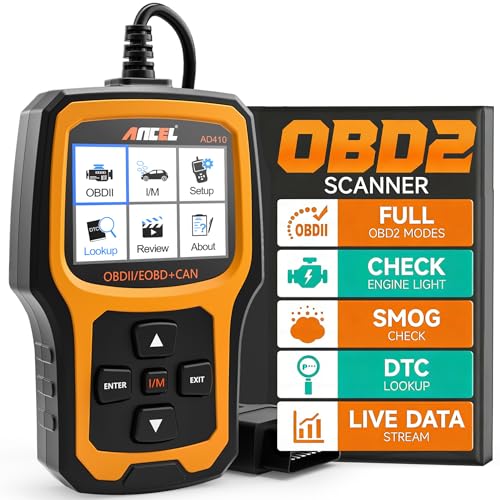
First, don’t panic. Take a deep breath. The absolute worst thing you can do is ignore it. The best course of action is to get the diagnostic trouble codes (DTCs) read. Most auto parts stores will do this for free. Write down the exact code number(s) – P0420 is the classic ‘Catalyst System Efficiency Below Threshold’ code, but there can be others.
Then, do some research. Understand what the code means. Is it definitely the catalytic converter, or could it be a sensor, an exhaust leak, or an engine misfire? The P0420 code itself can be tricky because a bad O2 sensor *can* trigger it, even if the converter is fine. This is where professional diagnosis becomes valuable. A good mechanic won’t just replace parts blindly. They’ll perform tests. They might use a smoke machine to check for exhaust leaks, or look at live sensor data to confirm the converter’s efficiency. I’ve seen folks replace a $150 O2 sensor only to find out the $1,200 catalytic converter was the real problem.
Expert Opinions and Recommendations
According to the Society of Automotive Engineers (SAE), the diagnostic systems in modern vehicles are designed to detect emissions control failures with a high degree of accuracy. The SAE J2012 standard outlines the diagnostic requirements for OBD-II systems, including those related to catalyst performance. This means the codes you’re getting are generally reliable indicators of a problem, but interpreting them requires context and sometimes specialized testing.
My Verdict: Don’t Be a Hero, but Be Informed
Here’s my take, after way too many hours and dollars spent:
| Component | Typical Cost (Parts & Labor) | My Verdict |
|---|---|---|
| Upstream O2 Sensor | $150 – $300 | Often the first suspect for P0420, but not always the culprit. Replace if diagnostics confirm it. |
| Downstream O2 Sensor | $150 – $350 | Monitors converter output. If upstream is good but downstream is similar, converter is likely bad. |
| Catalytic Converter | $500 – $2,500+ | The big one. If diagnostics point to it and sensors are good, this is usually the fix. Get a quality replacement. |
| Exhaust Leak | $50 – $300 | Can fool sensors. Always check for leaks before assuming the converter is dead. |
The catalyst monitor system is pretty smart. When it tells you something is wrong, it’s usually right. The trick is figuring out *what* is wrong. Is it the monitor itself (a sensor), or the thing it’s monitoring (the converter)? My advice? Start with free code readings, do your homework, and if you’re not confident, pay a reputable mechanic for a proper diagnosis. It’ll save you money in the long run, trust me. I learned that the hard way, spending probably $600 more than I needed to because I was stubborn and cheap.
Final Thoughts
So, how does the catalyst monitor work? It’s a sophisticated system designed to ensure your car isn’t polluting excessively by comparing oxygen levels before and after your catalytic converter.
It’s more than just a light on the dash; it’s a vital part of your car’s health and its environmental impact. Ignoring it is like ignoring a persistent cough – it might seem minor, but it can lead to something much worse.
My biggest takeaway? Don’t assume you know the fix. Get the codes, do some digging, and if you’re unsure, let a professional confirm the diagnosis before you start swapping parts.
Seriously, I wish someone had told me that clearly before my first P0420 code incident.
Recommended For You