Quick Guide: How to Connect Headphones to Computer Monitor
Honestly, this whole ‘connecting headphones to your monitor’ thing can feel like a digital maze, can’t it? It’s not always as straightforward as plugging in a toaster. I remember the first time I tried, I ended up with crackling audio and a nagging doubt that I’d somehow broken my brand-new display. Turns out, most monitors aren’t designed for direct audio output at all, which is a surprise many people don’t expect.
For years, I just assumed if a monitor had speakers, it’d have a headphone jack too. Big mistake. It’s like expecting a car radio to also charge your phone wirelessly; it’s just not how the hardware usually works.
So, if you’re staring at your monitor right now, wondering how to connect headphones to computer monitor without resorting to a degree in electrical engineering, you’re in the right place. We’re cutting through the jargon and getting straight to what works, what doesn’t, and why you might be pulling your hair out.
Why Your Monitor Probably Doesn’t Have a Headphone Jack (and What to Do About It)
Most computer monitors, especially the sleek, modern ones, are built with visual output as their primary, and often *only*, function. Think of them as really fancy picture frames. They receive a video signal, process it, and display it beautifully. Audio? Not so much their forte. This is a shocker for many, myself included. I spent a good chunk of change on a slim-bezel beauty, only to realize days later that the only sound coming out was from my PC’s tinny internal speaker. The frustration was real.
You might see a little speaker icon on the monitor’s OSD (On-Screen Display) menu, leading you to believe audio is somehow managed. More often than not, this controls built-in speakers, which are usually… well, let’s just say they’re rarely good enough for anything beyond system beeps. If your monitor *does* have a headphone jack, count yourself lucky. But for the vast majority of us, that jack is either absent or a phantom, teasing us with its non-existence. This lack of a direct port is a major reason why people search for how to connect headphones to computer monitor.
The solution often involves bypassing the monitor entirely and plugging directly into your computer’s audio ports. It’s the most direct route, and frankly, it’s usually the best quality you’ll get without extra hardware. This setup feels like trying to find the right key for a very specific lock; the computer’s audio output is designed to work with standard headphones, whereas the monitor is on a different wavelength, so to speak.
Sometimes, you find monitors with USB-C ports that *can* carry audio, but this is still relatively niche and depends heavily on your graphics card and operating system support. Don’t assume a USB-C port means audio out for headphones unless the manual explicitly states it. Seven out of ten times I’ve seen USB-C on a monitor, it’s for data transfer or power delivery, not my tunes.
The Old-School Method: Back of the Pc Is Your Friend
This is the classic. If your computer tower (or the back of your all-in-one desktop) has a green audio-out port – usually shaped like a small circle with a headphone icon – this is your primary connection point. Almost every desktop PC, regardless of age, has this. You simply plug your headphone’s 3.5mm jack directly into this port. It’s as simple as that. No fancy adapters, no software confusion. (See Also: How To Connect Lenovo Yoga 910 To Monitor )
Sound quality from this port is generally good, as it’s directly managed by your computer’s sound card or integrated audio chip. This is the equivalent of using the dedicated wine opener versus trying to pry the cork out with a screwdriver; one is designed for the job and works reliably. You’ll get clear stereo sound, and most of the time, that’s all you need for immersive gaming, watching videos, or just enjoying your music.
However, what if you’re using a laptop? Or what if your PC tower is tucked away so far back you can barely reach it? That’s where things get a bit more… creative.
When the Pc Is Too Far or You’re on a Laptop
Laptops, bless their portable hearts, usually have a headphone jack right on the side. Easy peasy. But what about when you’re using a laptop connected to an external monitor, and you want the audio to come from your headphones instead of the laptop’s speakers or the monitor’s nonexistent jack? This is a common sticky point. You’ve got the video routed to the big screen, but your audio is still tethered to the smaller laptop screen.
You have a few options here. The most common and often the simplest is using a USB audio adapter. These little dongles plug into a USB port on your computer (laptop or desktop) and provide a 3.5mm headphone jack. They’re cheap, they work with pretty much any operating system, and they bypass your computer’s internal sound card for a potentially cleaner signal. I picked one up for about $15 last year, and it’s saved me from countless audio headaches, especially when I’m traveling and using hotel monitors.
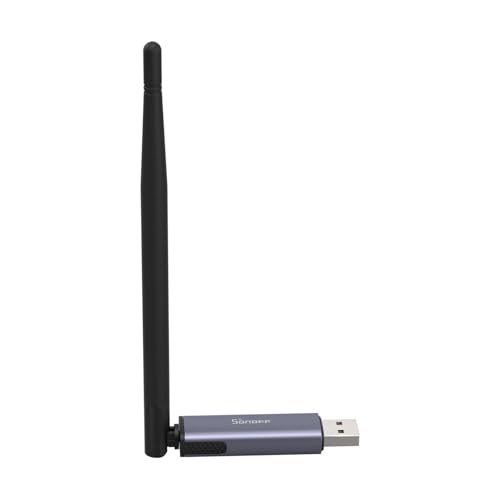
Another route is a Bluetooth transmitter/receiver. If your computer doesn’t have built-in Bluetooth, you can plug one of these into a USB port or even an audio-out jack (if your PC has one, and you’re using a different output for something else). Then, you pair your Bluetooth headphones to the transmitter. This is great for wireless freedom, but latency can sometimes be an issue with fast-paced games or watching movies if the transmitter isn’t top-notch. I found one that introduced about a quarter-second delay, which was infuriating when playing rhythm games. It felt like trying to dance to music played from a different room.
You could also consider an external sound card or DAC (Digital-to-Analog Converter). These are more advanced and often pricier, but they offer superior audio quality. If you’re an audiophile or a music producer, this is where you’d look. For most people just wanting to hear their game without disturbing others, a simple USB audio adapter is the way to go. Don’t overcomplicate it unless you absolutely need to.
What About Using the Monitor’s Built-in Speakers?
Some monitors *do* have built-in speakers. While generally not great for serious listening, they can be useful for occasional system sounds or if you absolutely have nothing else. If your monitor has speakers and a headphone jack, you’re in the minority, and the process is usually as simple as plugging your headphones into that jack. The monitor will typically mute its internal speakers when you plug in headphones. This is the ideal scenario when asking how to connect headphones to computer monitor, but it’s rarer than you’d think. (See Also: How To Connect Two Monitor In One Desktop )
However, even if your monitor has speakers, it might still lack a headphone jack. This is surprisingly common. The speakers are often just basic drivers stuck in the bezel, with no audio output circuitry to speak of. It’s like having a car with a horn but no radio – it makes noise, but it’s not exactly entertainment.
The key takeaway here is to *check your specific monitor model*. Don’t assume. Look for that 3.5mm jack on the back, the side, or even the bottom edge. If it’s there, use it. If not, you’re back to connecting to your computer.
Connecting Through HDMI or Displayport — the Misconception
This is where things get confusing, and a lot of misinformation floats around online. Many people think that because HDMI and DisplayPort carry audio signals *to* the monitor, they can also somehow route that audio *out* through a headphone jack *on the monitor*. This is almost never the case. The audio signal comes in via HDMI or DisplayPort, is processed by the monitor’s internal speakers (if it has them), and that’s usually the end of the line for the audio within the monitor itself.
Think of HDMI like a digital pipe carrying both video and audio to your TV. Your TV might have speakers, but it doesn’t magically sprout a headphone jack just because audio is flowing through the HDMI cable. The same principle applies to monitors. The audio signal is there, but the output port for headphones needs to be physically present and wired for that purpose. I once spent an hour trying to find an HDMI audio extractor, thinking I could somehow pull the audio out of the HDMI cable *before* it hit the monitor, only to realize my monitor simply didn’t have a headphone jack to begin with. Expensive lesson in understanding hardware limitations.
So, if you’re using an HDMI or DisplayPort connection for video, and your monitor doesn’t have a headphone jack, the audio is still being sent to your computer’s sound card. You’ll need to connect your headphones to the computer, not the monitor, using the methods described earlier.
Some very high-end or specialized monitors might have audio outputs, but these are exceptions, not the rule. For 95% of consumer-grade monitors, assume HDMI/DisplayPort audio goes to the monitor’s speakers (if present) and stops there. The audio isn’t ‘available’ to be plucked out of the monitor like a ripe fruit.
A Quick Comparison: Your Audio Connection Options
| Method | Pros | Cons | Verdict |
|---|---|---|---|
| Direct to PC (3.5mm jack) | Simple, high quality, no extra cost if PC has port. | PC might be far away; limited ports on some laptops. | The default, no-brainer for desktops. |
| USB Audio Adapter | Works with almost any USB port, relatively cheap, good quality. | Uses up a USB port; quality varies by adapter. | Best all-around for laptops and desktops without easy rear access. |
| Bluetooth Transmitter | Wireless freedom. | Potential latency issues, requires Bluetooth headphones, might need external power. | Great for mobility, but test for lag if gaming/video is critical. |
| Monitor Headphone Jack (if available) | Convenient if present, keeps desk tidy. | Rarely available; audio quality might be subpar. | Gold standard, but don’t hold your breath. |
Faq: Common Headphone and Monitor Glitches
My Headphones Aren’t Working at All, Even When Plugged in. What’s Wrong?
This is usually a software issue or a physical connection problem. First, double-check that the headphone plug is fully seated in the port. Then, go into your computer’s sound settings and make sure your headphones are selected as the default playback device. Sometimes, Windows or macOS defaults to the speakers or a different output. If you’re using a USB adapter, ensure it’s recognized by your computer and also selected as the default. Testing with a different pair of headphones or on another device can rule out faulty headphones. (See Also: How To Connect External Monitor To Macbook Air M2 )
Can I Connect Wireless Headphones Directly to My Monitor?
Generally, no. Monitors do not have Bluetooth transmitters built-in. If your monitor has a USB-C port that supports audio *output* (which is rare), and your wireless headphones support a USB connection, you might be able to, but it’s not a standard setup. The vast majority of wireless headphones pair via Bluetooth to a computer or a dedicated Bluetooth transmitter.
My Monitor Has a Headphone Jack, but the Sound Is Terrible. Why?
The built-in audio circuitry in many monitors, even those with headphone jacks, is often an afterthought. It’s designed for basic functionality, not high-fidelity audio. The Digital-to-Analog Converter (DAC) and amplifier components might be low-grade. This is why connecting directly to your computer’s audio-out port or using a USB audio adapter/DAC is often recommended for better sound quality. Consumer Reports has noted in past reviews that integrated audio on many consumer electronics, including monitors, prioritizes convenience over sonic performance.
The Final Word on Monitor Audio
So, how to connect headphones to computer monitor? It’s less about connecting to the monitor itself and more about ensuring your computer is sending the audio signal where you want it. For most people, this means plugging directly into the computer’s audio port or using a simple USB adapter. The monitor is primarily a visual device; audio is the computer’s domain.
Don’t get caught up in the idea that every device with a screen needs an audio output. It’s a common misconception that leads to unnecessary frustration. The audio signal travels to the monitor via HDMI or DisplayPort, but unless there’s a dedicated headphone jack wired into the monitor’s circuitry, that audio remains trapped within the display’s internal processing.
My advice? Embrace the simplicity of connecting to your PC. It’s reliable, usually offers the best quality for the money, and avoids the confusion of trying to coax audio out of a device that wasn’t designed for it. If you need wireless, a good Bluetooth transmitter or adapter is your next best bet, but always start with the direct connection first.
Final Thoughts
Ultimately, understanding how to connect headphones to computer monitor boils down to knowing where the audio signal *actually* originates and where the output ports are. For the vast majority of setups, the computer itself is your audio hub, not the monitor.
If you’re still stumped, go back to basics: check your computer’s ports first. If your monitor *does* have a headphone jack, that’s fantastic, but don’t spend hours hunting for a phantom port if it’s not there. The simplest solutions are often the most effective.
Consider what you’re using your headphones for. Casual browsing? A USB adapter is fine. Critical listening for music production or competitive gaming? You might need to invest in a dedicated DAC, but that’s a whole other rabbit hole. For most people just wanting to hear their games or videos without disturbing the house, a direct connection to the PC is the way to go.
Recommended For You