Having a small outdoor space doesn’t mean you have to shelve your dreams of a beautiful garden. In fact, a smaller area presents a wonderful opportunity to create a cozy, intimate, and stunningly beautiful retreat. The key is smart planning and creative thinking. This guide will walk you through how to design a small garden, turning your limited space into a lush paradise you’ll love.
Getting Started: The Blueprint for Your Garden
Every great project begins with a plan. When you’re designing a small garden, taking the time to plan will make the entire process smoother and more successful. This is where you get to be both a dreamer and a strategist.
Understanding Your Unique Space
Before you buy a single plant, get to know your garden area like the back of your hand. Ask yourself a few questions:
- Where does the sun go? Watch your space throughout the day. Does it get blasted with sun all day long, or is it a shady nook? This will be the single most important factor in choosing your plants.
- What are the dimensions? Grab a tape measure. Knowing the exact size and shape helps you figure out what can realistically fit.
- What’s your goal? Do you envision a quiet spot for reading, a mini-farm for fresh herbs and veggies, or a colorful haven for butterflies? A small garden design should always reflect how you want to use it.
Putting Your Ideas on Paper
You don’t need fancy software to create a plan. A simple pencil and paper are perfect. This process helps answer the question, “how do you make a plan for a small garden?“
- Start by sketching the basic shape of your area.
- Mark any “unmovable” features like doors, windows, or air conditioning units.
- Start doodling where you might want things to go. A small bistro set here? A tall planter there? Don’t be afraid to experiment with a few different layouts.
Big Design Tricks for Little Gardens
When you’re working with a smaller footprint, a few clever design strategies can make your garden feel more expansive and enchanting. Here are some simple garden ideas to get you started.
Think Vertical!
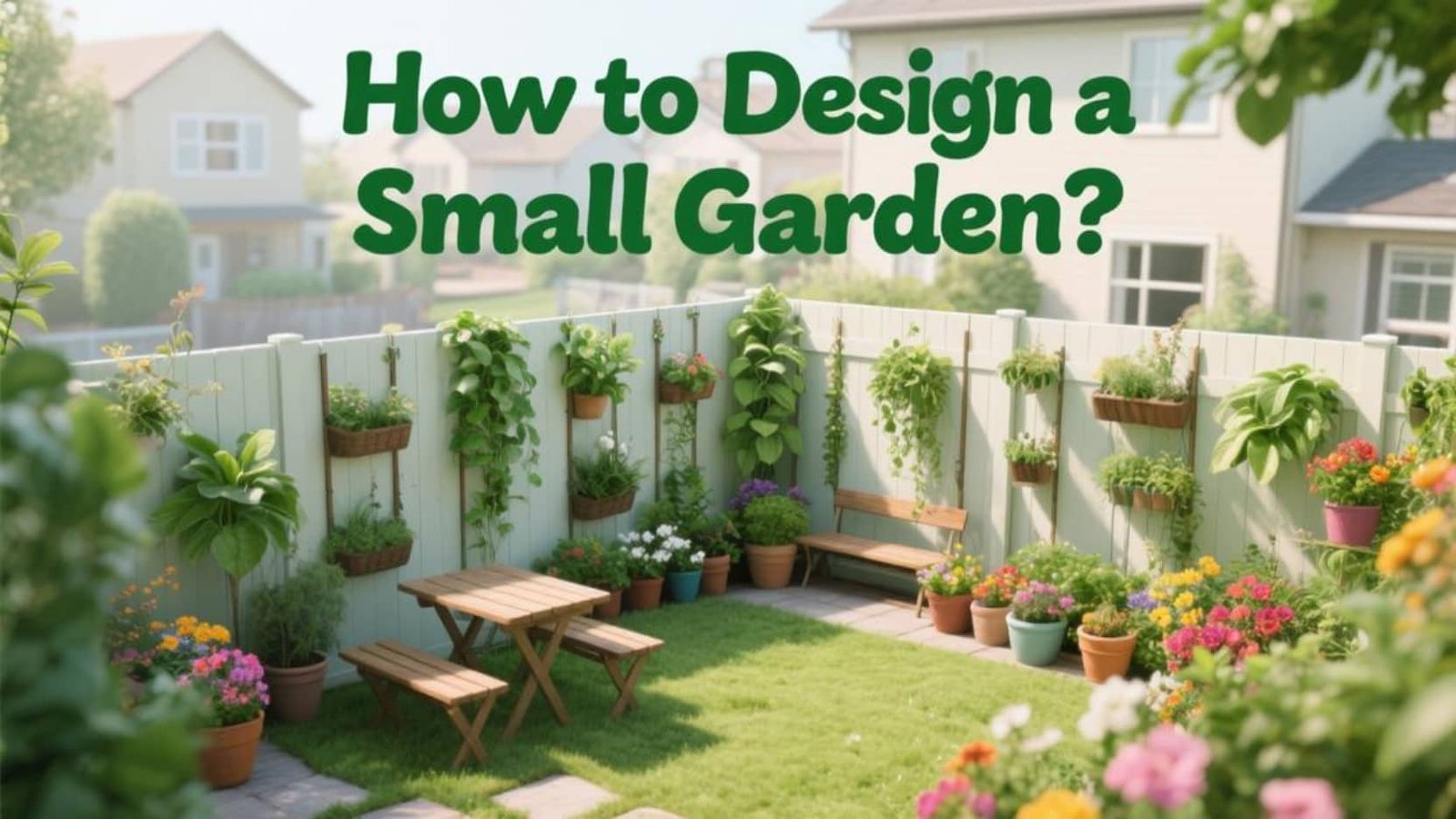
When you can’t build out, build up. Using vertical space is the number one trick for a small garden. It draws the eye upward and makes the area feel much larger.
- Trellises: Perfect for beautiful climbing flowers like clematis or even vining vegetables like peas and beans.
- Wall Planters and Living Walls: You can turn a boring fence or wall into a stunning tapestry of greenery.
- Hanging Baskets: A classic for a reason! They add color and life without taking up any floor space.
Create Distinct Zones
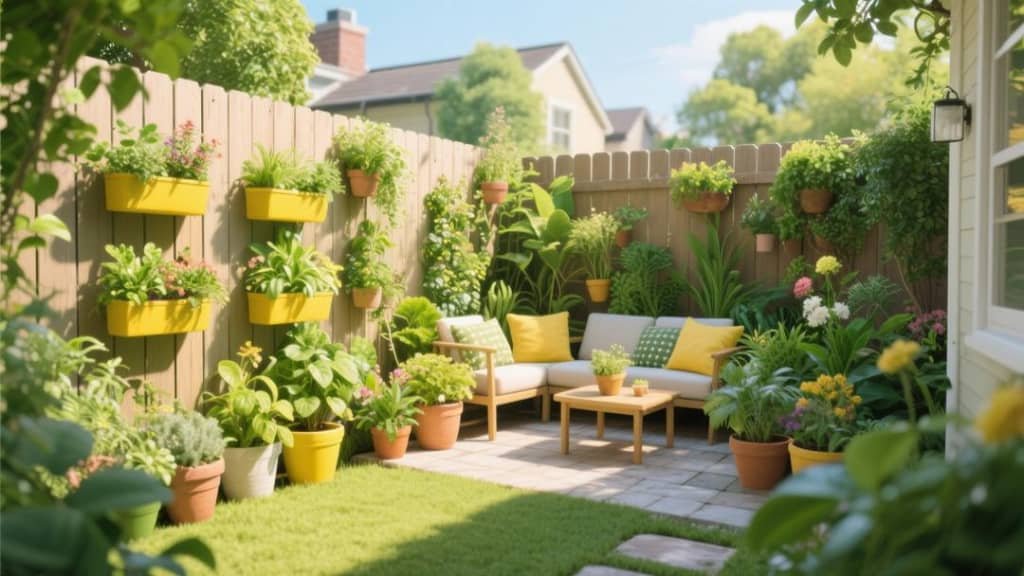
It might sound strange, but breaking a small space into even smaller, distinct “rooms” can make it feel bigger. Use a different paving material, an outdoor rug, or a strategically placed planter to create a separate zone for seating. This creates a sense of journey and discovery, even if it’s just a few steps.
Master the Art of Illusion
You can play with perception using color and light. Lighter colors, like white or pale blue, on fences and walls can make a space feel more open and airy. Planting darker, cooler colors like deep purples and blues at the far end of the garden can create an illusion of depth, making it seem farther away. A well-placed outdoor mirror can also be a game-changer, reflecting light and greenery to magically double the space.
Choosing the Perfect Plants
In a compact garden, every plant counts. You want plants that work hard, look good, and don’t overwhelm the space.
Size and Scale Matter
Choose plants that are a good fit for the scale of your garden. Dwarf varieties of your favorite shrubs and trees are fantastic options. While it may seem counterintuitive, sometimes one or two larger “statement” plants in pots can look better and less cluttered than a jumble of many tiny ones.
Embrace Containers and Raised Beds
Container gardening is your best friend in a small space. You can grow anything from flowers to vegetables in pots. This gives you total control over the soil and the flexibility to move things around. Raised beds are another great choice, especially if you want to grow your own food, as they offer excellent drainage and are easy to tend to.
How to Arrange Plants in a Small Garden
When you start planting, think in layers. Place taller plants in the back of your beds or in the center of a pot, with medium-sized plants around them and low-growing or trailing plants at the front. Mix up leaf textures—like bold, smooth leaves next to fine, feathery ones—to create visual interest.
How to Design a Small Garden Step by Step
Ready to bring your vision to life? Here’s a straightforward approach to the question, “how to make a garden step by step?“
- Prepare the Area: First, clear the ground of any weeds, rocks, or old grass. This is the hard work that pays off later.
- Boost Your Soil: Good soil is the secret to a happy garden. Mix in a generous amount of compost to enrich the soil. If using containers, choose a quality potting mix.
- Place Your Plants: Arrange your plants according to your plan before you start digging. This gives you a final chance to tweak the layout.
- Dig in and Plant: Settle your plants into their new homes, making sure not to overcrowd them. Check the plant tags for spacing advice.
- Water Well: Give your new garden a good, deep watering to help the roots settle in.
- Add Mulch: A layer of mulch (like wood chips or straw) on top of the soil will help keep moisture in and weeds out.
Your Questions Answered (FAQ)
How to design a little garden?
To design a little garden, focus on maximizing every inch. Go vertical with climbers, use containers for flexibility, choose compact plant varieties, and stick to a cohesive color palette to make the space feel unified and intentional.
How do you make a small garden?
You make a small garden through careful planning, smart design choices, and selecting the right plants. Start with a clear plan, prepare your soil or containers, and arrange your plants to create beauty and function.
Can I design my own garden?
Yes, absolutely! Designing your own garden is an incredibly rewarding process. You know your space and your style best. Trust your instincts, start simple, and enjoy the journey of creating your own personal getaway.
What is the size of a small garden?
There’s no official measurement, but a “small garden” typically refers to any space where size limitations are a primary design consideration. This could be a tiny urban backyard, a narrow side yard, a patio, or a balcony.
How to make a beautiful garden?
A beautiful garden is healthy, well-cared-for, and reflects your personality. It starts with great soil, the right plants for your light conditions, and a thoughtful layout that includes focal points and personal touches.
How to draw a garden easy step by step?
- Measure your space. 2. Draw the outline to scale on graph paper. 3. Add in permanent features like doors. 4. Sketch in your desired elements like seating and main planters. 5. Use circles to represent plants, thinking about their mature size.
How to prepare the ground for a small garden?
Clear the area completely of weeds and grass. Then, dig into the soil and mix in a few inches of compost or other organic matter to improve its structure and add nutrients. This preparation is vital for healthy plant growth.
Final Thought
So, how do you design a small garden? You do it with a dash of creativity, a sprinkle of planning, and a whole lot of heart. Don’t look at your small space as a limitation. See it as a canvas for a beautiful, concentrated patch of nature that is uniquely yours. Start simple, have fun, and enjoy the process of watching your small garden grow.