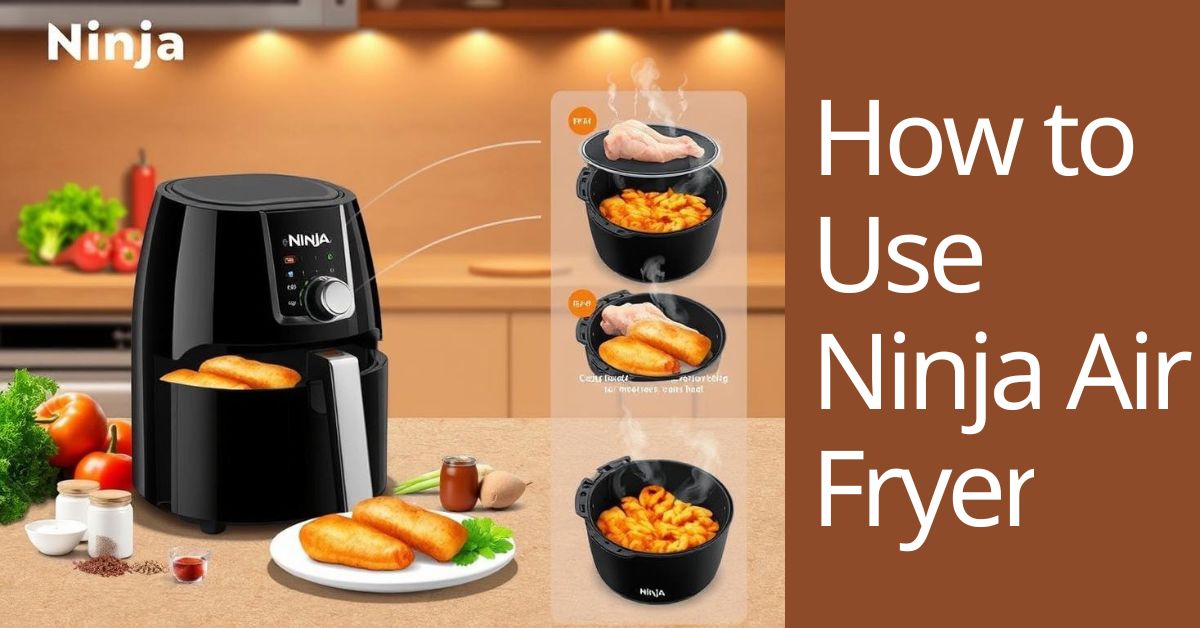
There it is. The sleek, powerful Ninja Air Fryer is sitting on your kitchen counter, holding the promise of a whole new world of cooking. You’ve seen the mouth-watering pictures online: impossibly crispy chicken wings, golden-brown french fries, and perfectly roasted veggies, all made with a tiny bit of oil. The potential is thrilling!
But as you stare at the panel of buttons and the mysterious basket, it’s easy to feel a little intimidated. Where do you even begin? What’s the difference between “Air Fry” and “Roast”? And how do you avoid the dreaded beginner’s mistake of soggy, half-cooked food?
Take a deep breath. You’ve got this. This guide is your friendly co-pilot, designed to walk you through every step of the journey. We’ll go from unboxing your new kitchen sidekick to cooking your first delicious meal and beyond. Think of this as the fun, easy-to-read manual you wish came in the box. Let’s get you cooking like a seasoned pro!
Before You Cook: The All-Important First Date with Your Ninja
Jumping straight into cooking is tempting, but a few setup steps will ensure your air fryer works beautifully and safely from day one. This initial setup is your foundation for countless amazing meals to come.
Digging for Treasure: The Unboxing Process
Ninja does a fantastic job of packing their appliances securely, so a little bit of discovery is involved.
- Free It from the Box: Carefully lift the main unit out and place it on your counter. Remove all the surrounding cardboard and foam protectors.
- Inspect the Interior: Slide the main basket out. Manufacturers love to tuck important things inside! You’ll likely find the crisper plate, the instruction manual, and a recipe booklet hiding in there. Don’t throw these away!
- Peel and Reveal: Take off any plastic film covering the digital screen and any stickers on the unit’s body. You want your machine to be clean and clear before it heats up for the first time.
Giving It a Quick Bath
Just like you wash new dishes before eating off them, you need to wash the food-contact parts of your air fryer. This removes any dust or residues left over from the manufacturing and shipping process.
- The Parts to Wash: The removable basket and the crisper plate (the flat, perforated tray that sits in the basket) are the main components that need cleaning.
- The Method: Use warm water, a little bit of dish soap, and a soft cloth or sponge. Abrasive scrubbers can damage the non-stick coating, so be gentle. Rinse them well and, most importantly, dry them completely before putting them back. While these parts are usually dishwasher-safe (check your manual!), a gentle hand wash is perfect for the first time.
- Wiping Down the Rest: The main air fryer unit houses the fan and heating element, so never put it in water. Simply use a damp cloth to wipe down the outside and the inside chamber where the basket goes.
Finding Its Permanent Home
Where you place your air fryer is more important for safety and performance than you might think.
- Let It Breathe: Air fryers work by circulating super-hot air, and they need to vent that air. Look for the vents (usually on the back). Leave at least 5-6 inches of open space behind and on the sides of the unit. Avoid shoving it directly against a wall or underneath low-hanging cabinets.
- A Solid Foundation: Place it on a flat, stable, and heat-resistant surface. Kitchen countertops made of granite, quartz, or laminate are ideal. Do not place it on your stovetop, on a plastic cutting board, or on any surface that could be damaged by heat.
- Away from the Edge: Position the air fryer back from the edge of the counter. This simple step prevents it from getting accidentally bumped or pulled down, which is especially important in households with children or pets.
Your Ninja’s Superpowers: A Guide to the Buttons and Dials
The control panel might look like the dashboard of a spaceship, but it’s surprisingly intuitive once you know what each function is designed to do. Most Ninja models share a core set of features.
H3: The Main Cooking Functions
Air Fry (or Air Crisp)
This is the setting that makes your air fryer famous. It uses high temperatures and a high-speed fan to create a powerful current of hot air. This blasts the surface of your food, quickly wicking away moisture and creating that delicious, crunchy, golden-brown finish that rivals deep-frying.
- Use it for: French fries (fresh or frozen), chicken wings, crispy chickpeas, fish sticks, and roasting vegetables like broccoli and Brussels sprouts until they have those crave-able crispy edges.
Roast
The Roast function is like having a small, highly efficient conventional oven. It uses high heat but with a lower fan speed compared to Air Fry. This allows for a more gentle, even cooking process that cooks food all the way through without burning the outside too quickly.
- Use it for: Small roasts like a pork tenderloin, chicken breasts, sausages, and dense root vegetables like potato wedges and carrots.
Reheat
This function is the official enemy of the soggy, rubbery leftovers produced by a microwave. Reheat uses a gentle, controlled heat to warm your food through while the fan helps to bring back its original texture. It’s a true game-changer.
- Use it for: Making leftover pizza taste fresh from the pizzeria (crispy crust and all!), reviving fried chicken, or warming up pretty much anything you want to taste as good as it did the first time.
Dehydrate
This is your snack-making magician. The Dehydrate setting uses very low heat and a low fan speed over several hours to slowly and gently remove water from foods. This preserves them and concentrates their flavor.
- Use it for: Making homemade beef jerky, dried fruit like apple or mango chips, sun-dried tomatoes, or even drying fresh herbs from your garden. Note: You’ll often get the best results using a multi-layer dehydrating rack (sold separately) to maximize space.
Taking the Driver’s Seat: Time and Temperature
Controlling your cook is simple.
- Temp: Use the “TEMP” arrows to select the cooking temperature. Most air frying happens in the 350°F to 400°F range.
- Time: Use the “TIME” arrows to set how long you want it to cook.
- Start/Pause: This button starts the cooking process. You can press it again at any time to pause the cook, allowing you to shake the basket or check on your food. Press it once more to resume right where you left off.
Your First Mission: Cooking Perfect Crispy Broccoli
Theory is one thing, but action is where the magic happens. Let’s walk through a simple, healthy, and incredibly rewarding first cook: making perfect, slightly charred, and crispy broccoli.
To Give a Head Start, or Not? The Preheat Question
Your big oven takes ages to heat up, but your Ninja is ready in a flash—typically just 3 minutes. So, is preheating necessary?
- The Short Answer: Yes.
- The Why: Think about searing a steak. You get a hot pan first, right? The same principle applies here. Dropping your food into an already hot basket starts the cooking and crisping process immediately. This leads to a better texture and more even results. Skipping the preheat can sometimes lead to the food steaming a bit before it starts to crisp.
How to Do It: It’s easy. Just select your function (Air Fry) and temperature (e.g., 390°F). Let the empty air fryer run for 3 minutes before you add your food.
The Two Cardinal Rules of Food Prep
For virtually everything you cook in your air fryer, success boils down to these two principles.
A Little Oil Goes a Long Way
Air frying is “low-oil,” not “no-oil.” A thin coating of oil is the key conductor of heat. It helps the food to brown (hello, flavor!) and prevents it from drying out.
- How to Apply: For a head of broccoli, chop it into florets, place them in a bowl, and drizzle with just one or two teaspoons of oil. Toss well to coat every piece lightly. Using an oil mister or spray bottle is also a great way to get an even, light coating.
- Which Oil?: Stick with oils that have a high smoke point. Avocado, grapeseed, canola, and light olive oil are all fantastic choices. Avoid using cooking sprays like Pam, as the propellants and additives can build up and damage the non-stick coating on your basket over time.
Give Your Food Some Personal Space
This is the most important rule of air frying. If you cram the basket full, the hot air can’t circulate properly. The food on the bottom will steam instead of crisp, and you’ll be left with a disappointing, unevenly cooked pile.
- The Golden Rule: Arrange your food in a single layer. It’s okay if the pieces are touching, but don’t stack them on top of each other.
- The Smart Solution: If you’re cooking for a crowd, cook in two separate batches. It may take a few extra minutes, but the perfectly crispy result is 100% worth it.
Step-by-Step: Crispy Broccoli
- Prep: Chop one head of broccoli into bite-sized florets. Toss in a bowl with 1-2 tsp of oil, a pinch of salt, black pepper, and garlic powder.
- Preheat: Set your Ninja to Air Fry at 390°F and let it preheat for 3 minutes.
- Load the Basket: Once preheated, carefully pull the hot basket out. Add your seasoned broccoli florets in a single, even layer.
- Cook: Slide the basket back in. Set the time for 10-12 minutes.
- Shake it Up: Around the 5-minute mark, pause the cook, pull the basket out, and give it a good shake. This ensures all the florets get a chance to get crispy.
- Check and Serve: Start checking after 10 minutes. The broccoli is done when the stems are tender and the tops are browned and crispy. Serve immediately!
Secrets of an Air Frying Guru: Tips and Tricks
Once you’re comfortable, you can start getting creative. These tips will help you tackle any recipe with confidence.
Converting Your Favorite Oven Recipes
You can adapt almost any recipe for roasted meat or vegetables for your air fryer.
- The Formula: As a general guideline, drop the temperature by 25°F and reduce the cooking time by about 20%.
- Example: A recipe calling for chicken thighs to be roasted at 400°F for 25 minutes in an oven should be cooked at 375°F in the air fryer. Start checking for doneness around the 20-minute mark. An instant-read thermometer is your best friend for making sure meat is cooked perfectly.
Using Accessories to Your Advantage
Expand your air fryer’s capabilities with a few simple tools.
- Silicone Liners: These reusable, flexible liners make cleanup a breeze, especially for sticky foods like glazed chicken wings.
- Metal Racks: A small metal rack allows you to cook in two layers. You can put a steak on the bottom and shrimp or sliced peppers on the top rack, for example.
- Perforated Parchment Paper: These liners have holes that allow air to circulate while still preventing food from sticking. Just remember the golden rule: never put them in during the preheat, as they will fly up into the heating element.
Keeping Your Ninja Sparkling Clean
A clean machine cooks better and lasts longer. Thankfully, cleanup is a snap.
The Daily Wipe-Down
This should be done after every cook.
- Cool Down: Unplug the unit and let the basket cool for at least 20-30 minutes.
- Wash and Dry: Remove the basket and crisper plate. Wash them with warm, soapy water and a soft sponge. For greasy or stuck-on messes, let them soak for 10 minutes before washing.
- Rinse and Dry Thoroughly: Dry the parts completely before putting them back in the unit to prevent any rust or water spots.
The Occasional Deep Clean
Every few weeks, give the interior some love.
- Wipe the Inside: With the machine unplugged and cool, use a damp, soft cloth to wipe the interior chamber where the basket sits.
- Clean the Coil: Look up inside the unit to see the heating coil. If you see any grease splatter, gently wipe it away with a damp cloth or sponge. For stubborn spots, a soft-bristled brush (like an old toothbrush) dipped in a little bit of baking soda paste can work wonders. Wipe clean with a damp cloth afterward.
Your Burning Questions Answered (FAQ)
My food is coming out soggy! What am I doing wrong?
This is the most common beginner issue! It’s almost always one of three culprits:
- The Crowd: You’ve overcrowded the basket. Cook in smaller batches.
- The Dry Spell: Your food needs a tiny bit of oil to help it crisp up.
- The Cold Start: You skipped the preheat. A 3-minute preheat makes a huge difference.
What foods should I not put in my air fryer?
While it’s versatile, some things are better cooked elsewhere:
- Wet Batters: A liquid batter (like for tempura) will just drip through the basket and make a huge mess. Battered foods that have been pre-fried and frozen, however, work great.
- Lots of Cheese: A sprinkle of cheese is fine, but a big glob of cheese on top of something (like French onion soup) will likely melt, drip, and burn.
- Super-Light Greens: Delicate leafy greens like raw spinach can get blown around by the powerful fan and cook unevenly or burn.
What is the difference between a Ninja Air Fryer and a Ninja Foodi?
Think of it like this: The Ninja Air Fryer is a specialist. It’s an expert at air frying, roasting, and reheating. The Ninja Foodi is a multi-talented all-star. In addition to all the air fryer functions, a Foodi can also pressure cook, slow cook, steam, and sear. If you want one appliance to do almost everything, the Foodi is for you. If you primarily want a machine for amazing crispy results, the dedicated Air Fryer is a perfect choice.
Your Culinary Adventure Awaits
Your Ninja Air Fryer is so much more than a trend; it’s a tool that can genuinely make your life easier and your food more delicious. The best way to learn is to simply start cooking. Don’t be afraid to experiment. Throw in some seasoned chickpeas for a healthy snack. Try cooking a salmon fillet—it comes out with wonderfully crispy skin. Reheat last night’s takeout and be amazed as it comes back to life.
You now have the knowledge to go from an uncertain beginner to a confident air-frying enthusiast. So go ahead, plug it in, and see what delicious creation you can whip up tonight. Happy cooking