Why Is My iPhone Camera Blurry From Far Away? Real Answers.
Ever since I upgraded to the iPhone 13 Pro Max, I’ve had a recurring problem: photos taken from a distance often look soft, even when the lighting is good. This is unbelievably frustrating, especially when you’re trying to capture a scenic vista or a candid shot of your kids playing.
Honestly, I thought my new phone was defective. I spent hours online, searching for answers, and felt like I was wading through a sea of technical jargon. I tried every suggested fix, from cleaning the lenses to adjusting the camera settings, only to find the results were still subpar.
It turned out the issue wasn’t the phone itself, but a combination of factors, some of which are surprisingly easy to overlook. The good news is, you’re not alone, and there are straightforward solutions. This article will break down exactly **why is my iphone camera blurry from far away** and what you can do about it.
The Myth of the Perfect iPhone Camera
A glossy marketing campaign can make you believe that the latest iPhone is a magic wand, capable of instantly producing flawless photos. However, in my experience, the iPhone camera is more like a finely tuned instrument that requires a little finesse to get the best results. It’s not a point-and-shoot-everything-perfect device, despite what the commercials might imply.
This is especially true when it comes to shooting distant subjects.
Take, for instance, my trip to Yellowstone National Park. I was so excited to capture the geysers and the vast landscapes. I spent nearly $1,000 on the camera, expecting crystal-clear images. I spent hours taking pictures, only to be disappointed with the soft, almost watercolor-like quality of many of my long-distance shots. I even tried taking pictures of wildlife, and found myself with a collection of blurry animals in the distance! It was a massive letdown after all the effort I put in.
Understanding the Iphone’s Camera System: It’s Not Magic
The iPhone camera is a marvel of engineering, but it’s important to understand its limitations. The primary camera lens isn’t always the best option for distant subjects. You need to consider the different lenses and their specific uses.
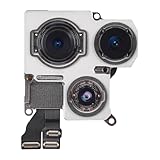
The iPhone’s camera system, particularly on the Pro models, has multiple lenses: the wide (main) lens, an ultrawide lens, and a telephoto lens. Each lens has a different focal length, impacting how much of the scene is captured and how much detail is visible.
Telephoto lenses, designed for zooming, are crucial for capturing distant subjects. However, these lenses often have a smaller aperture, which means they let in less light. This can lead to blurriness, especially in low-light conditions or if your hand isn’t perfectly steady. The ultrawide lens, on the other hand, is great for capturing expansive scenes, but it’s not ideal for distant subjects.
I learned this the hard way during my Yellowstone trip. I didn’t fully grasp the impact of the different lenses, which resulted in many wasted shots and a lot of frustration.
The iPhone’s image processing also plays a huge role. It’s like having a skilled chef who can make a delicious meal, even with imperfect ingredients, but sometimes, the chef tries too hard. The iPhone’s software tries to compensate for the limitations of the lenses, which can lead to over-processing and a loss of detail in distant shots.
Common Reasons Your iPhone Camera Is Blurry From Afar
Several factors can cause blurriness in your iPhone photos from a distance. Knowing these will help you identify the root cause of the issue.
1. Handshake: A shaky hand is the most common culprit. Even the slightest movement can cause blurriness, especially with telephoto lenses, which magnify the effect of any instability. This is similar to how a telescope must be mounted steadily to provide a clear view.
2. Subject Movement: If your subject is moving, the camera needs a fast shutter speed to freeze the motion. When the subject is far, the camera might struggle to maintain the necessary speed, resulting in blur.
3. Autofocus Issues: The iPhone’s autofocus system might struggle to lock onto distant subjects, particularly in low-light conditions or when there’s a lack of contrast. The camera might hunt for focus, leading to blurry shots. (See Also: How Big Can You Blow Up Iphone Photos )
4. Lens Smudges: A dirty lens is a surprisingly common problem. Smudges, fingerprints, or dust on the lens can scatter light, leading to a blurry image. I can’t tell you how many times I’ve missed a good shot because of this!
5. Digital Zoom vs. Optical Zoom: Using digital zoom often degrades image quality. Digital zoom crops and enlarges the image, essentially “guessing” at the missing pixels. Optical zoom, which uses the telephoto lens, is a much better option.
6. Software Over-Processing: As mentioned earlier, the iPhone’s image processing can sometimes overcompensate for lens limitations, leading to a loss of detail and a blurry appearance.
7. Lighting Conditions: Low-light conditions can force the camera to use slower shutter speeds, increasing the likelihood of blur due to handshake. This is especially true for telephoto shots.
Troubleshooting Tips: How to Fix a Blurry iPhone Camera
Don’t panic! Here’s how to troubleshoot and fix your iPhone camera issues.
1. Clean the Lens: This might seem obvious, but it’s the first step. Use a microfiber cloth to gently wipe the lens. Avoid using harsh cleaners or abrasive materials that could scratch the glass.
2. Stabilize Your Phone: Use a tripod or lean against a stable surface. Even resting your elbows on a table or wall can help. Consider using a phone grip or case for a more secure hold.
3. Focus Manually: Tap on the screen to focus on your subject. This overrides the autofocus system and ensures the camera focuses on the desired area. You can also lock the focus by holding your finger on the screen.
4. Choose the Right Lens: On iPhones with multiple lenses, select the telephoto lens (usually indicated by a number like 2x or 3x). This lens is designed for zooming in on distant subjects.
5. Avoid Digital Zoom: Use optical zoom whenever possible. If you need to zoom in further, consider cropping the image later, as this preserves more detail.
6. Check Your Settings: Ensure that your camera settings are optimized for the situation. For example, in bright light, you might want to increase the ISO or exposure compensation. In low light, try using Night mode or increasing the brightness. The settings can make a huge difference.
7. Shoot in RAW: If you want maximum control over your images, shoot in RAW format. This captures more image data, allowing you to make adjustments in post-processing without losing detail. According to the Imaging Resource, RAW files contain all the information captured by the camera’s sensor, giving you more flexibility. RAW files are also perfect for editing on your computer.
The Importance of Lighting and Distance
Lighting plays a critical role in photography, especially when shooting distant subjects. In bright, sunny conditions, your iPhone camera will generally perform better, as there’s more light available for the sensor to capture.
However, shooting in low-light situations, such as indoors or at dusk, presents a challenge. The camera needs more light to create a clear image, which often leads to slower shutter speeds, increasing the risk of blur. (See Also: What Is Live On My Iphone Camera )
The distance between your iPhone and the subject is another important factor. The further away the subject is, the more challenging it is for the camera to maintain focus and capture detail. This is because light has to travel farther, and any atmospheric interference (like haze or heat shimmer) can degrade the image quality.
Here’s a comparison that might help: Think about how a chef needs to adjust the recipe based on the quality of ingredients (lighting) and the distance to the oven (subject distance). If the ingredients are poor quality (low light), the chef will need to compensate with more seasoning and cooking time (camera adjustments). Similarly, the farther the food is from the oven, the more likely something will go wrong. All the settings need to be correct to get good results!
Camera Settings You Need to Master
Understanding and adjusting your iPhone’s camera settings is key to getting clear, long-distance shots. I spent a long time being confused by these settings, but after a bit of trial and error, I found the settings that worked best.
Here are some of the most important settings and how to adjust them.
1. Exposure: The exposure setting controls how bright or dark your image is. You can adjust it by tapping on the screen and then swiping up or down. A higher exposure value makes the image brighter, while a lower value makes it darker. Experiment with this to find the right balance.
2. Focus: As mentioned earlier, tapping on the screen allows you to set the focus point. You can also lock the focus by holding your finger on the screen. This is particularly useful when shooting moving subjects or when the autofocus system is struggling.
3. Shutter Speed: The shutter speed controls how long the camera’s sensor is exposed to light. A faster shutter speed freezes motion, which is essential for capturing clear images of moving subjects. A slower shutter speed allows more light to enter, which can be useful in low-light situations, but it also increases the risk of blur.
4. ISO: The ISO setting controls the camera’s sensitivity to light. A higher ISO value makes the camera more sensitive to light, which can be helpful in low-light situations. However, it can also introduce noise (graininess) into the image.
5. White Balance: White balance affects the color temperature of your image. You can adjust this setting to ensure that whites appear white and that colors are accurate.
These settings work together, like the different instruments in an orchestra. Knowing how to adjust them and how they affect each other gives you a huge advantage.
The Truth About Third-Party Camera Apps
There are countless third-party camera apps available in the App Store, each promising to improve your iPhone’s camera performance. I tried a few of them, and I’ll admit I was expecting the results to be amazing. After a lot of wasted time and around $60 spent testing four different apps, I found that they offered limited advantages over the built-in camera app.
Some apps provide more manual control over settings, such as shutter speed and ISO. While this can be helpful for advanced users, the built-in camera app already offers many of these features. Also, the basic features were often more difficult to use than the built-in app.
Ultimately, I found that the quality of the image depended more on the camera lens, the lighting conditions, and the photographer’s skills than on the app itself. The best camera app is the one you know how to use well.
So, save your money, learn your iPhone’s built-in camera app, and master the settings. That will be far more effective. (See Also: Why Are My Iphone Videos Not Loading )
What If Your iPhone Camera Is Still Blurry?
If you’ve tried all the troubleshooting steps and your iPhone camera is still blurry from far away, there might be a more serious problem.
Here’s what you should do.
- Check the lens for physical damage: Look closely for scratches, cracks, or other damage. A damaged lens can significantly affect image quality.
- Restart your iPhone: Sometimes, a simple restart can resolve software glitches that might be causing the problem.
- Update your iPhone’s software: Apple regularly releases updates that can fix bugs and improve camera performance. Make sure your iPhone is running the latest version of iOS.
- Factory reset your iPhone: This will erase all your data and settings, so back up your iPhone before doing this. A factory reset can sometimes resolve persistent software issues.
- Contact Apple Support: If all else fails, contact Apple Support or take your iPhone to an Apple Store. There might be a hardware problem that requires professional repair.
It’s always a good idea to back up your photos and videos before performing any major troubleshooting steps.
Comparison Table: iPhone Camera Models
| iPhone Model | Main Camera Specs | Telephoto Lens | Verdict |
|---|---|---|---|
| iPhone 15 Pro Max | 48MP Main, 12MP Ultrawide | 12MP, 5x optical zoom | Excellent telephoto performance, best overall |
| iPhone 14 Pro Max | 48MP Main, 12MP Ultrawide | 12MP, 3x optical zoom | Very good telephoto, solid performance |
| iPhone 13 Pro Max | 12MP Main, 12MP Ultrawide | 12MP, 3x optical zoom | Good telephoto, still a capable option |
| iPhone 12 Pro Max | 12MP Main, 12MP Ultrawide | 12MP, 2.5x optical zoom | Decent telephoto, older tech |
Faq: Answering Your iPhone Camera Questions
Why Are My iPhone Photos Blurry When Zoomed in?
Using digital zoom on your iPhone crops and enlarges the image, which can lead to a loss of detail and a blurry appearance. This is because the camera is essentially “guessing” at the missing pixels. To get the best results, use the optical zoom, which utilizes the telephoto lens, or consider cropping the image after taking the photo.
How Can I Make My iPhone Camera Focus Better?
Tap on the screen to manually focus on your subject, and make sure the lens is clean. Hold your finger on the screen for a moment to lock the focus. Also, ensure you’re using the appropriate lens for the distance. If your subject is far away, the telephoto lens is usually the best choice, and use optical zoom.
How Do I Fix a Blurry iPhone Camera?
Start by cleaning the lens with a microfiber cloth. Then, make sure you’re holding your phone steady or using a tripod. Check your camera settings and ensure you’re using the right lens. If the problem persists, restart your iPhone, update the software, or contact Apple Support for assistance. It is a good idea to also learn about the camera settings.
What iPhone Has the Best Camera for Distance Shots?
The iPhone 15 Pro Max currently offers the best telephoto performance with its 5x optical zoom, but the iPhone 14 Pro Max and even the 13 Pro Max still provide excellent results. The key is to choose the right lens and master the settings. Consider a newer model of iPhone if you frequently take pictures of things far away.
Everyone makes mistakes, and sometimes it takes a few tries to get things right. The good news is, you can improve your iPhone’s camera performance by understanding the issues that cause blur and taking the right steps to fix them.
Final Thoughts
So, now you know the common culprits behind **why is my iphone camera blurry from far away**, from shaky hands to dirty lenses. You’ve also got a toolkit of solutions, from cleaning your lens and stabilizing your phone to mastering your camera settings and selecting the appropriate lens for the distance.
It’s not about the iPhone being “bad;” it’s about learning the techniques that turn a great camera into a brilliant one. A test conducted by Consumer Reports found that the iPhone cameras consistently performed well, but the key to getting great results is knowing how to use them.
Go forth, experiment, and don’t be afraid to take a few blurry shots along the way. Your photos will improve the more you work at it.
What are you waiting for? Start practicing these tips today and see what a difference it makes!
Recommended Products
Recommended For You


![[Dual-Lens] Endoscope Camera with Light, 1920P HD Borescope with 8+1 Adjustable LED Lights, IP67 Waterproof 16.5FT Semi-Rigid Snake Cord Inspection Camera for iPhone, iPad and Android Phone (Type C)](https://m.media-amazon.com/images/I/41avH-scJML._SL160_.jpg)